

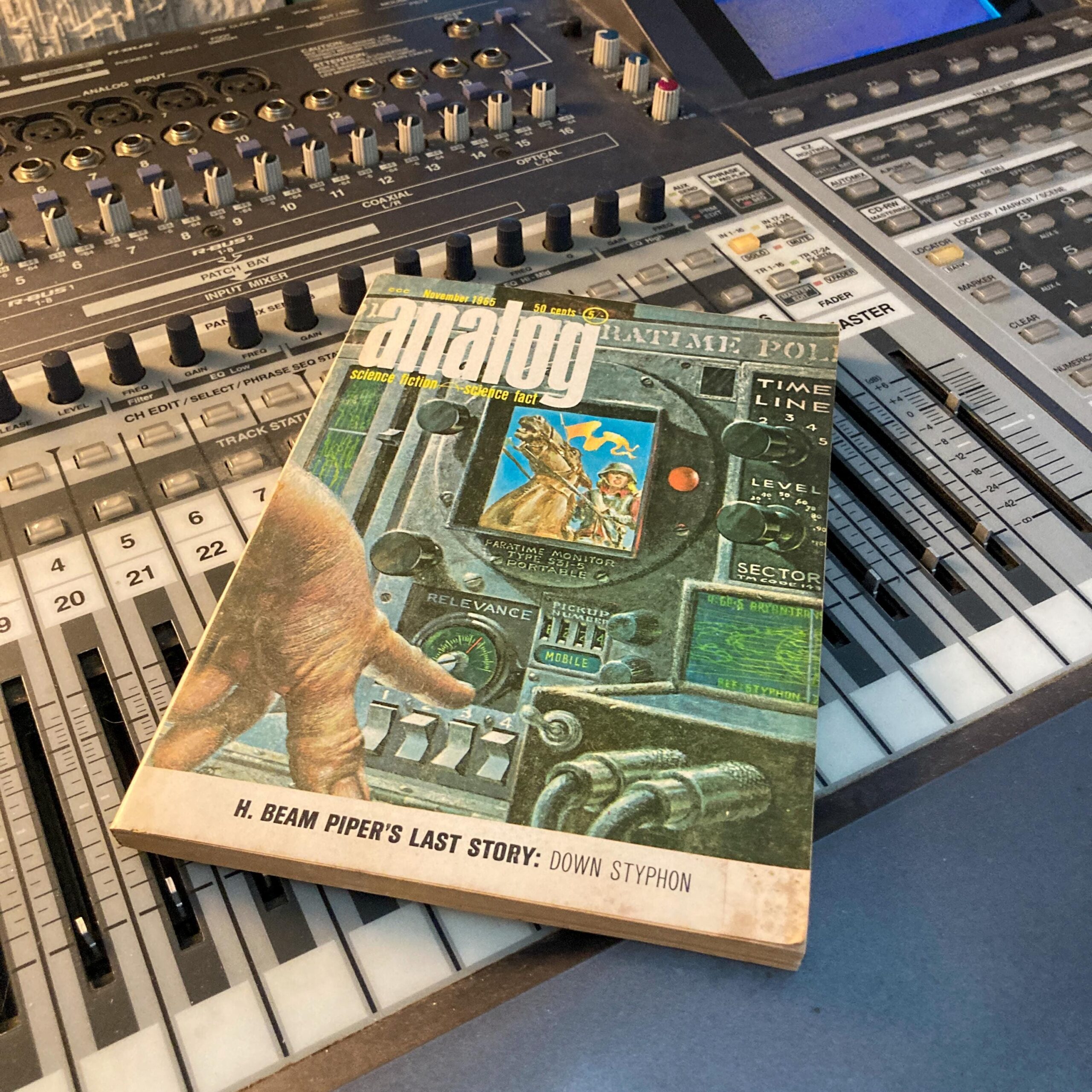


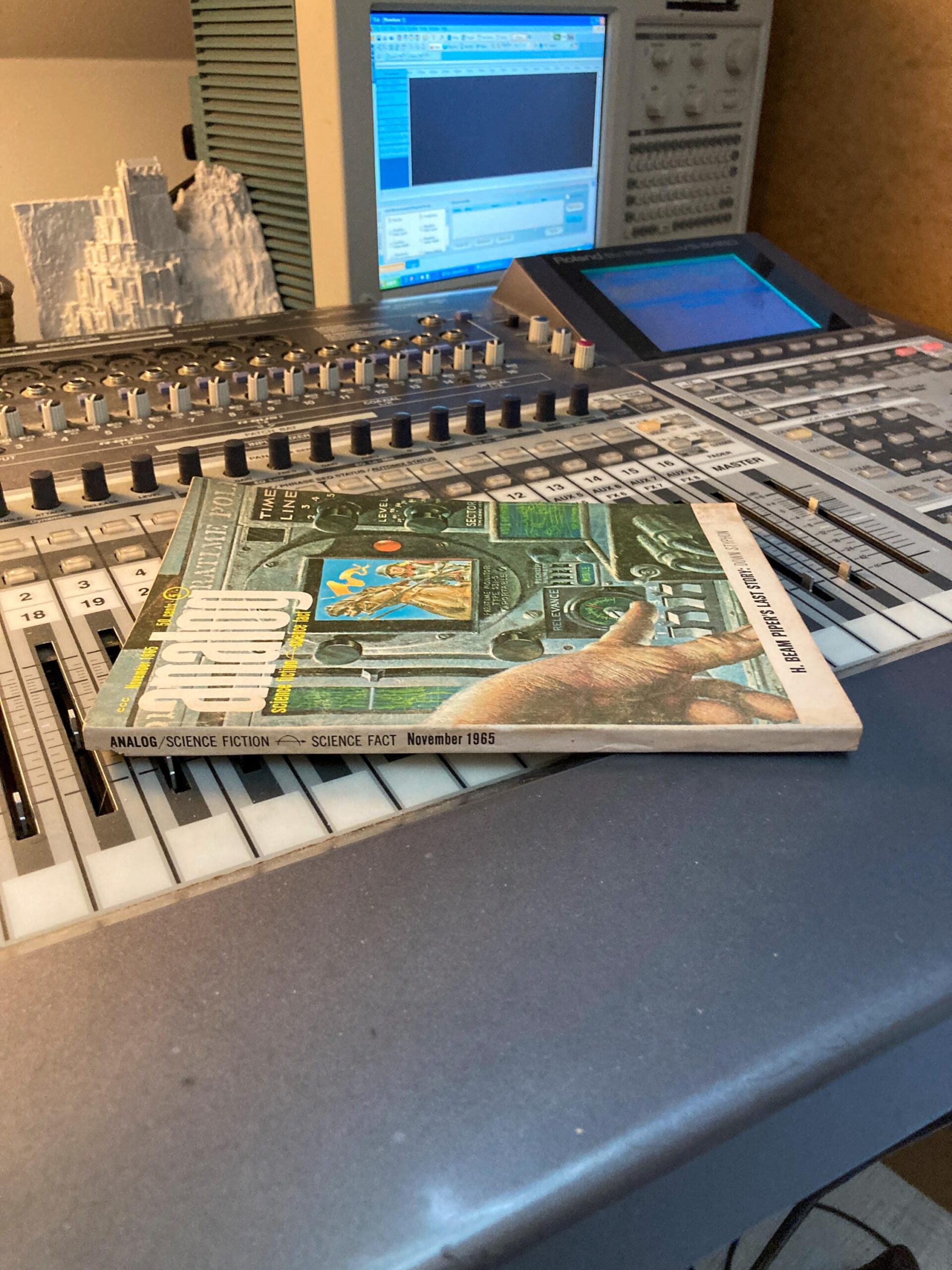
Vintage Analog Science Fiction Magazine – November 1965 – Kelly Freas Cover
$8.00
This is really nice 60 year old pulp magazine, complete.
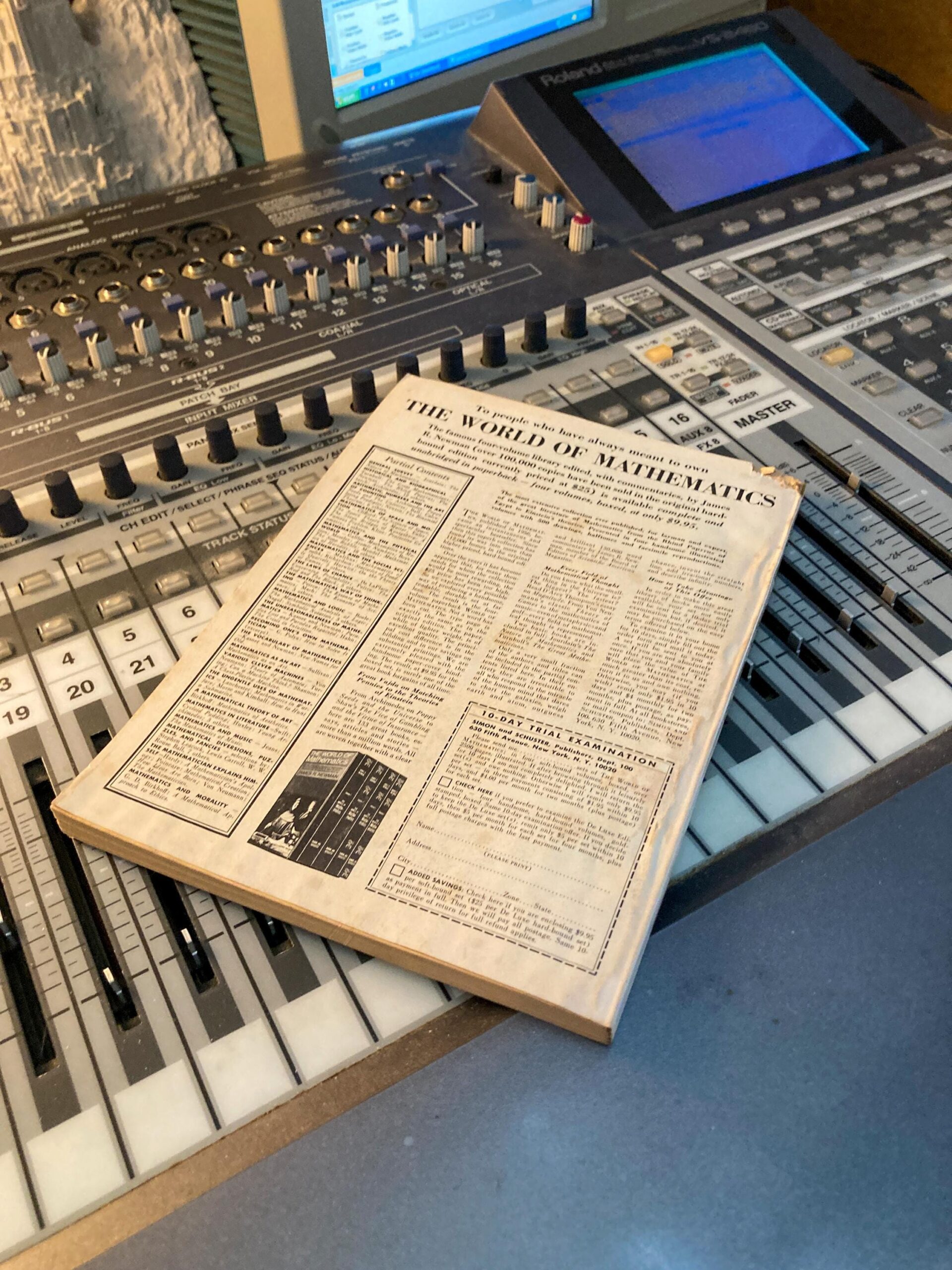
No reading creases, not dog eared, no writing or tears or labels. Some discoloration to white border front cover. Back cover upper corner at spine is chipped; closes tightly, staples/binding not stressed.
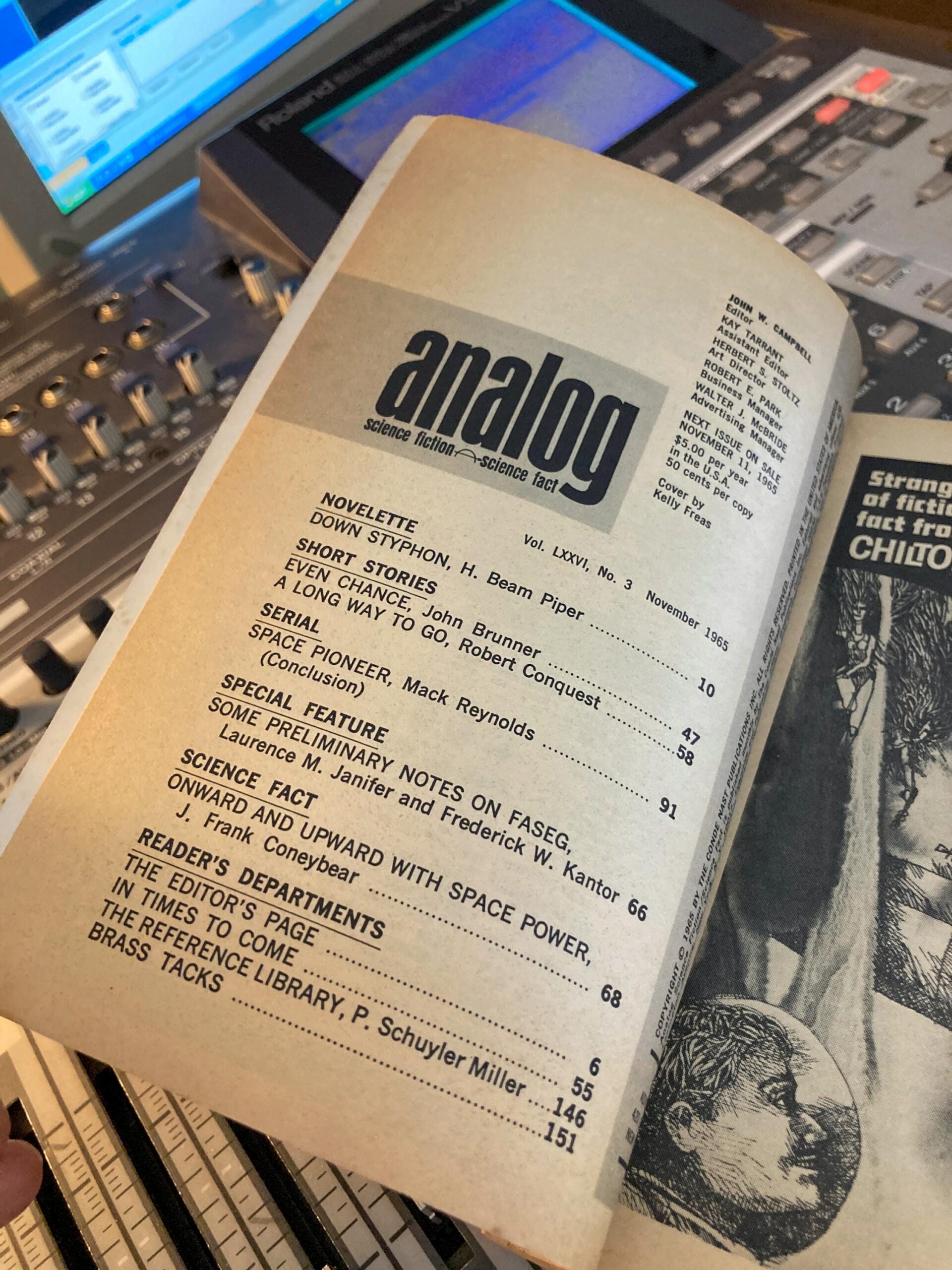
Stories from H. Beam Piper and John Brunner
See second image for complete table of contents.
Kelly Freas cover art, more Freas and John Schoenherr artwork inside.
Will ship promptly, carefully packaged.
1 in stock
Related products
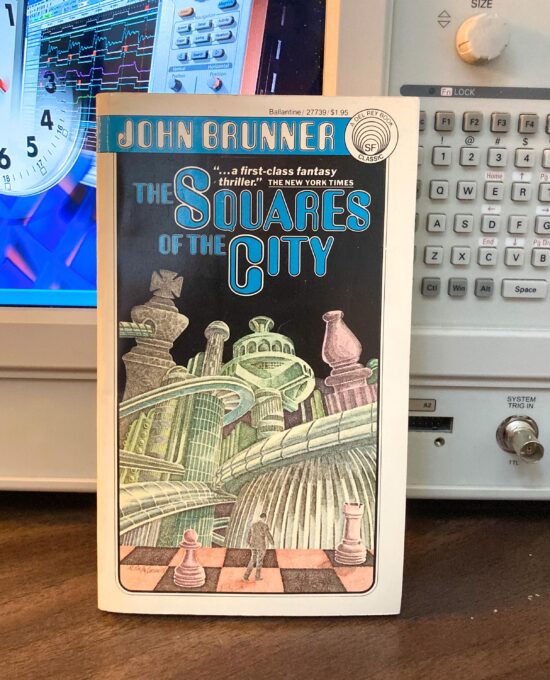
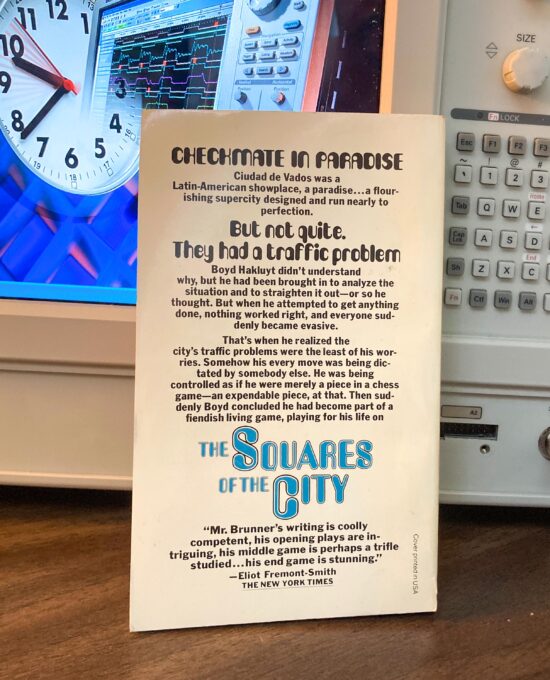
Sci-Fi Chess Novel: The Squares of the City by John Brunner, 1978 Edition
$21.00
This is a "very good" or better vintage 1978 Ballantine paperback novel by John Brunner, Hugo-nominated when it first appeared in print in 1965.
Crisp, solid copy, with an uncreased spine. No marks or writing, no loose, torn or folded pages. Text and covers are square and close tightly. Text block edges are uniform, not rubbed or soiled, bright all around. Covers show some minimal surface wear. Very pleasing overall. Somewhat scarce title. Really nice vintage copy! See accompanying images for full condition details. Enter John Brunner's Hugo-nominated masterpiece, The Squares of the City, where every citizen is a chess piece in a deadly game of power and control.... In the gleaming planned metropolis of Ciudad de Vados, capital of the fictional South American nation Aguazul, traffic analyst Boyd Hakluyt arrives to solve what seems like a routine urban planning problem. Instead, he finds himself trapped in a meticulously orchestrated conflict where the 1892 World Chess Championship match between Wilhelm Steinitz and Mikhail Chigorin is being played out with human lives. The city's elite, led by the enigmatic President Vados, use subliminal messaging and media manipulation to control the population, while the impoverished native residents fight to reclaim their land and dignity. As Hakluyt navigates between the sophisticated chess-obsessed ruling class and the desperate slum dwellers, he discovers that every death, every political maneuver, every act of resistance corresponds to an actual move in the historic chess game. Brunner's brilliant structural experiment transforms a political thriller into a profound meditation on colonialism, urban planning, and the ethics of social engineering. This 1978 edition captures Brunner at his most innovative, blending Graham Greene-style intrigue with cutting-edge social commentary that remains startlingly relevant to our modern debates about gentrification, surveillance, and the price of progress. Will ship promptly, carefully packaged.
Crisp, solid copy, with an uncreased spine. No marks or writing, no loose, torn or folded pages. Text and covers are square and close tightly. Text block edges are uniform, not rubbed or soiled, bright all around. Covers show some minimal surface wear. Very pleasing overall. Somewhat scarce title. Really nice vintage copy! See accompanying images for full condition details. Enter John Brunner's Hugo-nominated masterpiece, The Squares of the City, where every citizen is a chess piece in a deadly game of power and control.... In the gleaming planned metropolis of Ciudad de Vados, capital of the fictional South American nation Aguazul, traffic analyst Boyd Hakluyt arrives to solve what seems like a routine urban planning problem. Instead, he finds himself trapped in a meticulously orchestrated conflict where the 1892 World Chess Championship match between Wilhelm Steinitz and Mikhail Chigorin is being played out with human lives. The city's elite, led by the enigmatic President Vados, use subliminal messaging and media manipulation to control the population, while the impoverished native residents fight to reclaim their land and dignity. As Hakluyt navigates between the sophisticated chess-obsessed ruling class and the desperate slum dwellers, he discovers that every death, every political maneuver, every act of resistance corresponds to an actual move in the historic chess game. Brunner's brilliant structural experiment transforms a political thriller into a profound meditation on colonialism, urban planning, and the ethics of social engineering. This 1978 edition captures Brunner at his most innovative, blending Graham Greene-style intrigue with cutting-edge social commentary that remains startlingly relevant to our modern debates about gentrification, surveillance, and the price of progress. Will ship promptly, carefully packaged.
Sci-Fi Chess Novel: The Squares of the City by John Brunner, 1978 Edition
$21.00
This is a "very good" or better vintage 1978 Ballantine paperback novel by John Brunner, Hugo-nominated when it first appeared in print in 1965.
Crisp, solid copy, with an uncreased spine. No marks or writing, no loose, torn or folded pages. Text and covers are square and close tightly. Text block edges are uniform, not rubbed or soiled, bright all around. Covers show some minimal surface wear. Very pleasing overall. Somewhat scarce title. Really nice vintage copy! See accompanying images for full condition details. Enter John Brunner's Hugo-nominated masterpiece, The Squares of the City, where every citizen is a chess piece in a deadly game of power and control.... In the gleaming planned metropolis of Ciudad de Vados, capital of the fictional South American nation Aguazul, traffic analyst Boyd Hakluyt arrives to solve what seems like a routine urban planning problem. Instead, he finds himself trapped in a meticulously orchestrated conflict where the 1892 World Chess Championship match between Wilhelm Steinitz and Mikhail Chigorin is being played out with human lives. The city's elite, led by the enigmatic President Vados, use subliminal messaging and media manipulation to control the population, while the impoverished native residents fight to reclaim their land and dignity. As Hakluyt navigates between the sophisticated chess-obsessed ruling class and the desperate slum dwellers, he discovers that every death, every political maneuver, every act of resistance corresponds to an actual move in the historic chess game. Brunner's brilliant structural experiment transforms a political thriller into a profound meditation on colonialism, urban planning, and the ethics of social engineering. This 1978 edition captures Brunner at his most innovative, blending Graham Greene-style intrigue with cutting-edge social commentary that remains startlingly relevant to our modern debates about gentrification, surveillance, and the price of progress. Will ship promptly, carefully packaged.
Crisp, solid copy, with an uncreased spine. No marks or writing, no loose, torn or folded pages. Text and covers are square and close tightly. Text block edges are uniform, not rubbed or soiled, bright all around. Covers show some minimal surface wear. Very pleasing overall. Somewhat scarce title. Really nice vintage copy! See accompanying images for full condition details. Enter John Brunner's Hugo-nominated masterpiece, The Squares of the City, where every citizen is a chess piece in a deadly game of power and control.... In the gleaming planned metropolis of Ciudad de Vados, capital of the fictional South American nation Aguazul, traffic analyst Boyd Hakluyt arrives to solve what seems like a routine urban planning problem. Instead, he finds himself trapped in a meticulously orchestrated conflict where the 1892 World Chess Championship match between Wilhelm Steinitz and Mikhail Chigorin is being played out with human lives. The city's elite, led by the enigmatic President Vados, use subliminal messaging and media manipulation to control the population, while the impoverished native residents fight to reclaim their land and dignity. As Hakluyt navigates between the sophisticated chess-obsessed ruling class and the desperate slum dwellers, he discovers that every death, every political maneuver, every act of resistance corresponds to an actual move in the historic chess game. Brunner's brilliant structural experiment transforms a political thriller into a profound meditation on colonialism, urban planning, and the ethics of social engineering. This 1978 edition captures Brunner at his most innovative, blending Graham Greene-style intrigue with cutting-edge social commentary that remains startlingly relevant to our modern debates about gentrification, surveillance, and the price of progress. Will ship promptly, carefully packaged.
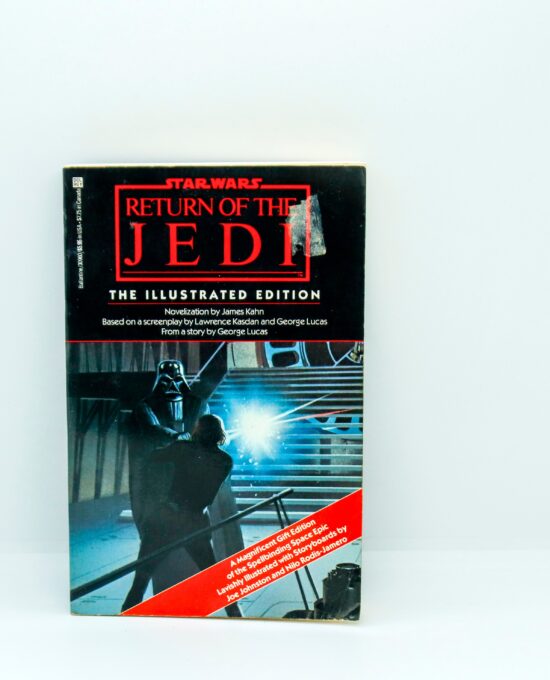
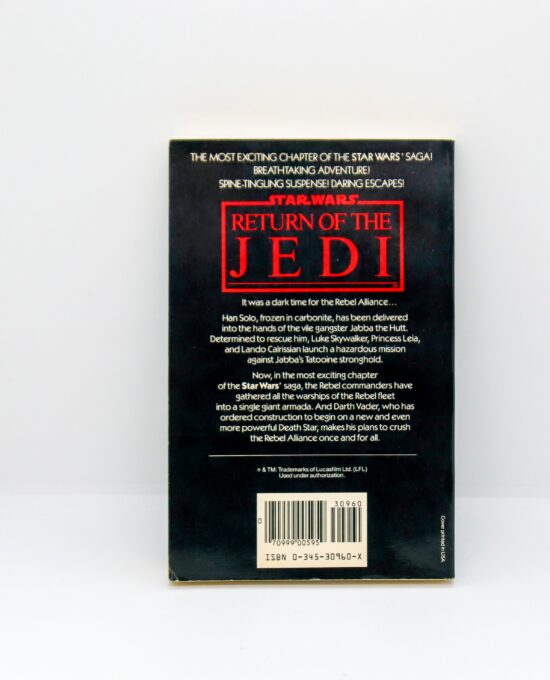
Star Wars Return of the Jedi – The Illustrated Edition First edition vintage trade novel 1983
$19.00
This is a "very good-" vintage trade paperback published in 1983 by Ballantine/Del Rey books, 213 pages with numerous black and white illustrations by Joe Johnston and Nilo Rodis-Jomero.
First edition. The spine is tight, not cracked, it does have a hint of a little curl and a bit of creasing in the paper surface on the spine. No loose, torn or folded pages. Ghost of a label on the front board. Text block is flat, closes tightly. Text block edges show some tanning and thumbing. Bottom edge of front cover shows some edge wear and the lower corner is blunted. Some surface wear on front and back covers. Not a perfect copy, but still quite enchanting for the vintage Star Wars fan. See accompanying images for full condition details. Will ship promptly and carefully packaged.
First edition. The spine is tight, not cracked, it does have a hint of a little curl and a bit of creasing in the paper surface on the spine. No loose, torn or folded pages. Ghost of a label on the front board. Text block is flat, closes tightly. Text block edges show some tanning and thumbing. Bottom edge of front cover shows some edge wear and the lower corner is blunted. Some surface wear on front and back covers. Not a perfect copy, but still quite enchanting for the vintage Star Wars fan. See accompanying images for full condition details. Will ship promptly and carefully packaged.
Star Wars Return of the Jedi – The Illustrated Edition First edition vintage trade novel 1983
$19.00
This is a "very good-" vintage trade paperback published in 1983 by Ballantine/Del Rey books, 213 pages with numerous black and white illustrations by Joe Johnston and Nilo Rodis-Jomero.
First edition. The spine is tight, not cracked, it does have a hint of a little curl and a bit of creasing in the paper surface on the spine. No loose, torn or folded pages. Ghost of a label on the front board. Text block is flat, closes tightly. Text block edges show some tanning and thumbing. Bottom edge of front cover shows some edge wear and the lower corner is blunted. Some surface wear on front and back covers. Not a perfect copy, but still quite enchanting for the vintage Star Wars fan. See accompanying images for full condition details. Will ship promptly and carefully packaged.
First edition. The spine is tight, not cracked, it does have a hint of a little curl and a bit of creasing in the paper surface on the spine. No loose, torn or folded pages. Ghost of a label on the front board. Text block is flat, closes tightly. Text block edges show some tanning and thumbing. Bottom edge of front cover shows some edge wear and the lower corner is blunted. Some surface wear on front and back covers. Not a perfect copy, but still quite enchanting for the vintage Star Wars fan. See accompanying images for full condition details. Will ship promptly and carefully packaged.
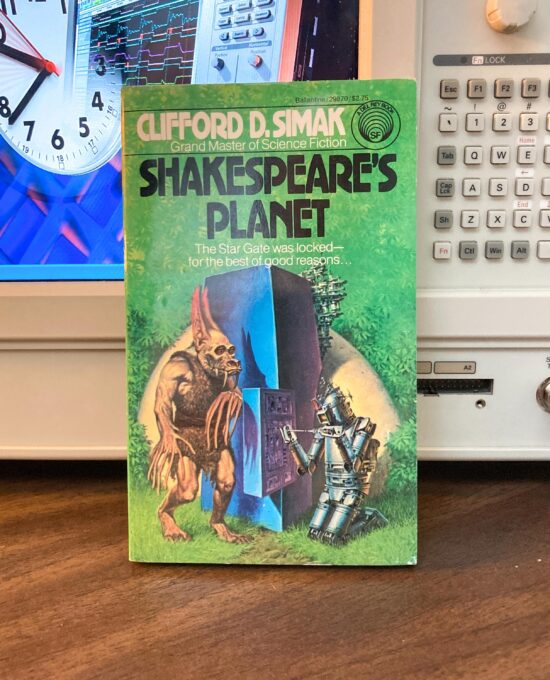
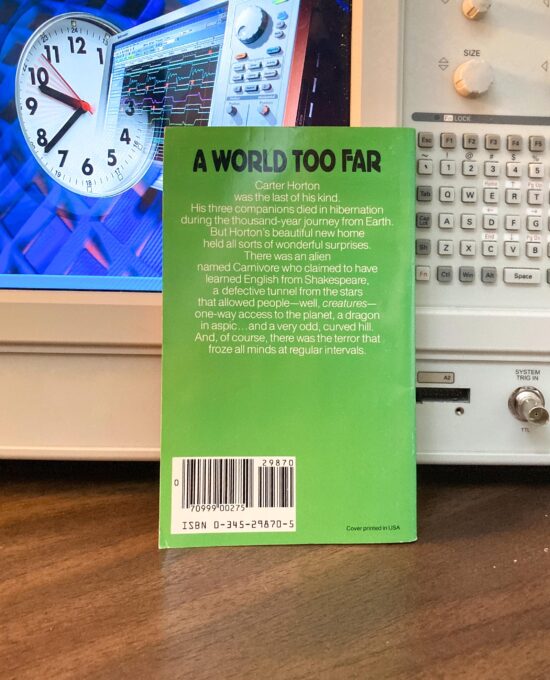
Clifford Simak “Shakespeare’s Planet” 1982 Vintage paperback Pastoral science fiction
$13.00
This is a solid "very good plus" vintage paperback, published in 1982 by Ballantine, 202 pages. First edition thus.
Very, very clean, barely a sign that it's been read. Tinted textblock edges are uniform and bright all around, not thumbed or soiled. Covers close square and tight. Spine is free of creasing or rolling. A little bit of edge wear at the covers' corners very tips. No loose, torn or folded pages, no writing. Really nice! See the accompanying images for table of contents & full condition details. Will ship promptly, carefully packaged, with tracking.
Very, very clean, barely a sign that it's been read. Tinted textblock edges are uniform and bright all around, not thumbed or soiled. Covers close square and tight. Spine is free of creasing or rolling. A little bit of edge wear at the covers' corners very tips. No loose, torn or folded pages, no writing. Really nice! See the accompanying images for table of contents & full condition details. Will ship promptly, carefully packaged, with tracking.
Clifford Simak “Shakespeare’s Planet” 1982 Vintage paperback Pastoral science fiction
$13.00
This is a solid "very good plus" vintage paperback, published in 1982 by Ballantine, 202 pages. First edition thus.
Very, very clean, barely a sign that it's been read. Tinted textblock edges are uniform and bright all around, not thumbed or soiled. Covers close square and tight. Spine is free of creasing or rolling. A little bit of edge wear at the covers' corners very tips. No loose, torn or folded pages, no writing. Really nice! See the accompanying images for table of contents & full condition details. Will ship promptly, carefully packaged, with tracking.
Very, very clean, barely a sign that it's been read. Tinted textblock edges are uniform and bright all around, not thumbed or soiled. Covers close square and tight. Spine is free of creasing or rolling. A little bit of edge wear at the covers' corners very tips. No loose, torn or folded pages, no writing. Really nice! See the accompanying images for table of contents & full condition details. Will ship promptly, carefully packaged, with tracking.
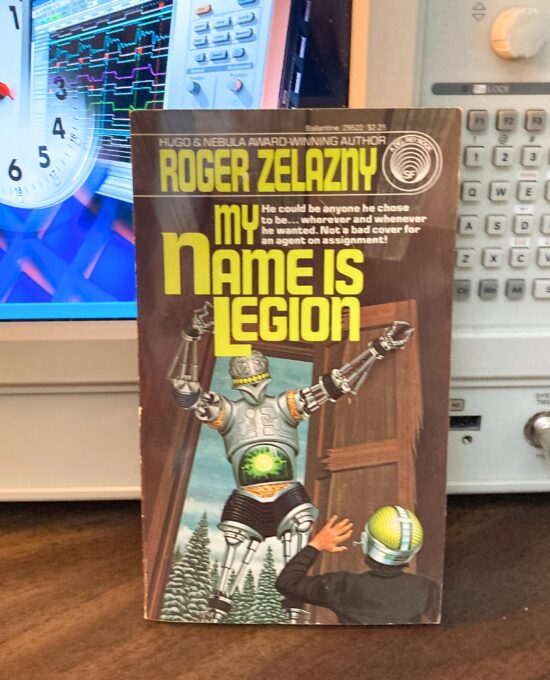
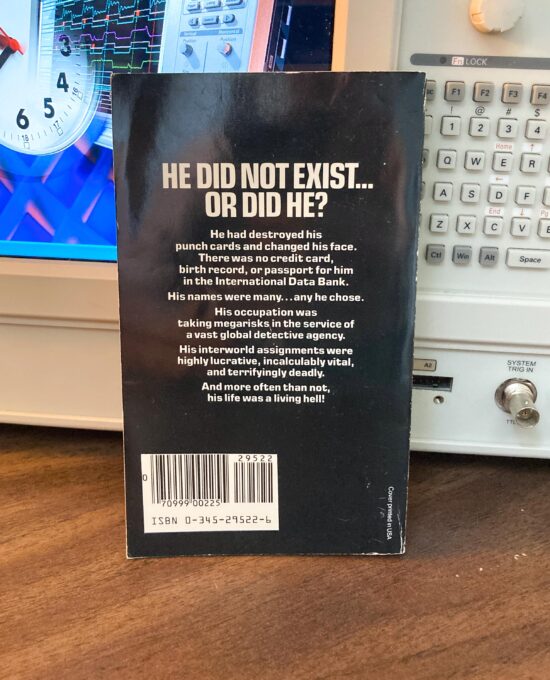
Vintage Sci-Fi Paperback: My Name is Legion by Roger Zelazny, 1981 Edition
$16.00
This is a very nice vintage paperback (very good - very good plus) edition of Roger Zelazny's 1976 anthology/compilation "My Name is Legion".
Shows slight minimal aging and a little edge wear on covers, but no significant flaws (no writing, tags, marks, loose, torn or folded pages). Certainly a great addition to a vintage science fiction collection and a worthy gift! See the accompanying images for full condition details. Will ship promptly, carefully packaged, with tracking. About the book: "My Name is Legion" by Roger Zelazny is a "science fiction" story line that combines cyberpunk elements with existential depth. The book consists of three interconnected novellas ("The Eve of Ragnarok," "Kjwalll'kje'k'koothaïlll'kje'k," and "'Home is the Hangman") that follow a futuristic investigator known only as "Legion"—a man with no legal identity who manipulates global surveillance systems to solve crimes. The novellas: "The Eve of RUMOKO" – The protagonist must uncover a saboteur on a project using nuclear explosives to create artificial islands. "'Kjwalll'kje'k'koothai'lll'kje'k" – Set at a research station in the Bahamas, the hero investigates a diver’s mysterious death, possibly involving dolphins. "Home Is the Hangman" – A sentient robot, lost years before, may have returned to Earth to kill its creators. These stories are linked by their protagonist and themes of identity, surveillance, and the ethical dilemmas of technology. They are not directly connected to Zelazny’s other famous works like "The Last Defender of Camelot" or "For a Breath I Tarry". Why You Should Read It: 1) Cyberpunk Before Cyberpunk – Zelazny’s vision of a hyper-surveilled society predates Neuromancer and other cyberpunk classics, making it a fascinating proto-cyberpunk gem. 2) Philosophical & Psychological Depth – The protagonist grapples with identity, free will, and the nature of humanity, themes that remain deeply relevant in today’s AI-driven world. 3) Award-Winning Excellence – The final novella, "'Home is the Hangman," won both the Nebula in 1976 and Hugo 1976 for Best Novella. Also nominated for the Locus Award for Best Collection in 1977. If You Enjoyed These, then "My Name is Legion" is likely to be in your wheelhouse: >>John Brunner – The Shockwave Rider (for its take on computer networks and identity) >>Alfred Bester – The Demolished Man (for noir SF with a psychological edge) >>Philip K. Dick – A Scanner Darkly (for its themes of surveillance and shifting identity) Interesting Facts: The second story’s title, "'Kjwalll'kje'k'koothai'lll'kje'k," is intentionally unpronounceable, reflecting the communication barrier between humans and dolphins—a clever nod to the story’s central mystery. The title "My Name is Legion" is a biblical reference, taken from the Gospel of Mark, where a demon identifies himself as "Legion, for we are many." Zelazny chose this title to reflect the protagonist's fragmented identity and his ability to assume different roles and personas. Relevance Today: The themes explored in "My Name is Legion," such as the impact of technology on society and the nature of identity, are still relevant today. Zelazny's vision of a future where technology has blurred the lines between human and machine is both fascinating and cautionary.
Shows slight minimal aging and a little edge wear on covers, but no significant flaws (no writing, tags, marks, loose, torn or folded pages). Certainly a great addition to a vintage science fiction collection and a worthy gift! See the accompanying images for full condition details. Will ship promptly, carefully packaged, with tracking. About the book: "My Name is Legion" by Roger Zelazny is a "science fiction" story line that combines cyberpunk elements with existential depth. The book consists of three interconnected novellas ("The Eve of Ragnarok," "Kjwalll'kje'k'koothaïlll'kje'k," and "'Home is the Hangman") that follow a futuristic investigator known only as "Legion"—a man with no legal identity who manipulates global surveillance systems to solve crimes. The novellas: "The Eve of RUMOKO" – The protagonist must uncover a saboteur on a project using nuclear explosives to create artificial islands. "'Kjwalll'kje'k'koothai'lll'kje'k" – Set at a research station in the Bahamas, the hero investigates a diver’s mysterious death, possibly involving dolphins. "Home Is the Hangman" – A sentient robot, lost years before, may have returned to Earth to kill its creators. These stories are linked by their protagonist and themes of identity, surveillance, and the ethical dilemmas of technology. They are not directly connected to Zelazny’s other famous works like "The Last Defender of Camelot" or "For a Breath I Tarry". Why You Should Read It: 1) Cyberpunk Before Cyberpunk – Zelazny’s vision of a hyper-surveilled society predates Neuromancer and other cyberpunk classics, making it a fascinating proto-cyberpunk gem. 2) Philosophical & Psychological Depth – The protagonist grapples with identity, free will, and the nature of humanity, themes that remain deeply relevant in today’s AI-driven world. 3) Award-Winning Excellence – The final novella, "'Home is the Hangman," won both the Nebula in 1976 and Hugo 1976 for Best Novella. Also nominated for the Locus Award for Best Collection in 1977. If You Enjoyed These, then "My Name is Legion" is likely to be in your wheelhouse: >>John Brunner – The Shockwave Rider (for its take on computer networks and identity) >>Alfred Bester – The Demolished Man (for noir SF with a psychological edge) >>Philip K. Dick – A Scanner Darkly (for its themes of surveillance and shifting identity) Interesting Facts: The second story’s title, "'Kjwalll'kje'k'koothai'lll'kje'k," is intentionally unpronounceable, reflecting the communication barrier between humans and dolphins—a clever nod to the story’s central mystery. The title "My Name is Legion" is a biblical reference, taken from the Gospel of Mark, where a demon identifies himself as "Legion, for we are many." Zelazny chose this title to reflect the protagonist's fragmented identity and his ability to assume different roles and personas. Relevance Today: The themes explored in "My Name is Legion," such as the impact of technology on society and the nature of identity, are still relevant today. Zelazny's vision of a future where technology has blurred the lines between human and machine is both fascinating and cautionary.
Vintage Sci-Fi Paperback: My Name is Legion by Roger Zelazny, 1981 Edition
$16.00
This is a very nice vintage paperback (very good - very good plus) edition of Roger Zelazny's 1976 anthology/compilation "My Name is Legion".
Shows slight minimal aging and a little edge wear on covers, but no significant flaws (no writing, tags, marks, loose, torn or folded pages). Certainly a great addition to a vintage science fiction collection and a worthy gift! See the accompanying images for full condition details. Will ship promptly, carefully packaged, with tracking. About the book: "My Name is Legion" by Roger Zelazny is a "science fiction" story line that combines cyberpunk elements with existential depth. The book consists of three interconnected novellas ("The Eve of Ragnarok," "Kjwalll'kje'k'koothaïlll'kje'k," and "'Home is the Hangman") that follow a futuristic investigator known only as "Legion"—a man with no legal identity who manipulates global surveillance systems to solve crimes. The novellas: "The Eve of RUMOKO" – The protagonist must uncover a saboteur on a project using nuclear explosives to create artificial islands. "'Kjwalll'kje'k'koothai'lll'kje'k" – Set at a research station in the Bahamas, the hero investigates a diver’s mysterious death, possibly involving dolphins. "Home Is the Hangman" – A sentient robot, lost years before, may have returned to Earth to kill its creators. These stories are linked by their protagonist and themes of identity, surveillance, and the ethical dilemmas of technology. They are not directly connected to Zelazny’s other famous works like "The Last Defender of Camelot" or "For a Breath I Tarry". Why You Should Read It: 1) Cyberpunk Before Cyberpunk – Zelazny’s vision of a hyper-surveilled society predates Neuromancer and other cyberpunk classics, making it a fascinating proto-cyberpunk gem. 2) Philosophical & Psychological Depth – The protagonist grapples with identity, free will, and the nature of humanity, themes that remain deeply relevant in today’s AI-driven world. 3) Award-Winning Excellence – The final novella, "'Home is the Hangman," won both the Nebula in 1976 and Hugo 1976 for Best Novella. Also nominated for the Locus Award for Best Collection in 1977. If You Enjoyed These, then "My Name is Legion" is likely to be in your wheelhouse: >>John Brunner – The Shockwave Rider (for its take on computer networks and identity) >>Alfred Bester – The Demolished Man (for noir SF with a psychological edge) >>Philip K. Dick – A Scanner Darkly (for its themes of surveillance and shifting identity) Interesting Facts: The second story’s title, "'Kjwalll'kje'k'koothai'lll'kje'k," is intentionally unpronounceable, reflecting the communication barrier between humans and dolphins—a clever nod to the story’s central mystery. The title "My Name is Legion" is a biblical reference, taken from the Gospel of Mark, where a demon identifies himself as "Legion, for we are many." Zelazny chose this title to reflect the protagonist's fragmented identity and his ability to assume different roles and personas. Relevance Today: The themes explored in "My Name is Legion," such as the impact of technology on society and the nature of identity, are still relevant today. Zelazny's vision of a future where technology has blurred the lines between human and machine is both fascinating and cautionary.
Shows slight minimal aging and a little edge wear on covers, but no significant flaws (no writing, tags, marks, loose, torn or folded pages). Certainly a great addition to a vintage science fiction collection and a worthy gift! See the accompanying images for full condition details. Will ship promptly, carefully packaged, with tracking. About the book: "My Name is Legion" by Roger Zelazny is a "science fiction" story line that combines cyberpunk elements with existential depth. The book consists of three interconnected novellas ("The Eve of Ragnarok," "Kjwalll'kje'k'koothaïlll'kje'k," and "'Home is the Hangman") that follow a futuristic investigator known only as "Legion"—a man with no legal identity who manipulates global surveillance systems to solve crimes. The novellas: "The Eve of RUMOKO" – The protagonist must uncover a saboteur on a project using nuclear explosives to create artificial islands. "'Kjwalll'kje'k'koothai'lll'kje'k" – Set at a research station in the Bahamas, the hero investigates a diver’s mysterious death, possibly involving dolphins. "Home Is the Hangman" – A sentient robot, lost years before, may have returned to Earth to kill its creators. These stories are linked by their protagonist and themes of identity, surveillance, and the ethical dilemmas of technology. They are not directly connected to Zelazny’s other famous works like "The Last Defender of Camelot" or "For a Breath I Tarry". Why You Should Read It: 1) Cyberpunk Before Cyberpunk – Zelazny’s vision of a hyper-surveilled society predates Neuromancer and other cyberpunk classics, making it a fascinating proto-cyberpunk gem. 2) Philosophical & Psychological Depth – The protagonist grapples with identity, free will, and the nature of humanity, themes that remain deeply relevant in today’s AI-driven world. 3) Award-Winning Excellence – The final novella, "'Home is the Hangman," won both the Nebula in 1976 and Hugo 1976 for Best Novella. Also nominated for the Locus Award for Best Collection in 1977. If You Enjoyed These, then "My Name is Legion" is likely to be in your wheelhouse: >>John Brunner – The Shockwave Rider (for its take on computer networks and identity) >>Alfred Bester – The Demolished Man (for noir SF with a psychological edge) >>Philip K. Dick – A Scanner Darkly (for its themes of surveillance and shifting identity) Interesting Facts: The second story’s title, "'Kjwalll'kje'k'koothai'lll'kje'k," is intentionally unpronounceable, reflecting the communication barrier between humans and dolphins—a clever nod to the story’s central mystery. The title "My Name is Legion" is a biblical reference, taken from the Gospel of Mark, where a demon identifies himself as "Legion, for we are many." Zelazny chose this title to reflect the protagonist's fragmented identity and his ability to assume different roles and personas. Relevance Today: The themes explored in "My Name is Legion," such as the impact of technology on society and the nature of identity, are still relevant today. Zelazny's vision of a future where technology has blurred the lines between human and machine is both fascinating and cautionary.
![Erte "Freedom and Captivity"/"Love's Captive" [c.1982] Two-sided vintage book page artwork](https://hudsonfinebooks.com/wp-content/uploads/2025/06/63768dc144741ae3674731da-208x284.jpg)
![Autos of the World [1990] Motorcar encyclopedia First edition 608 pages 1,000s of photographs German language, no English](https://hudsonfinebooks.com/wp-content/uploads/2025/05/63768af244741a6de146b41b-257x257.jpg)
Reviews
There are no reviews yet.