

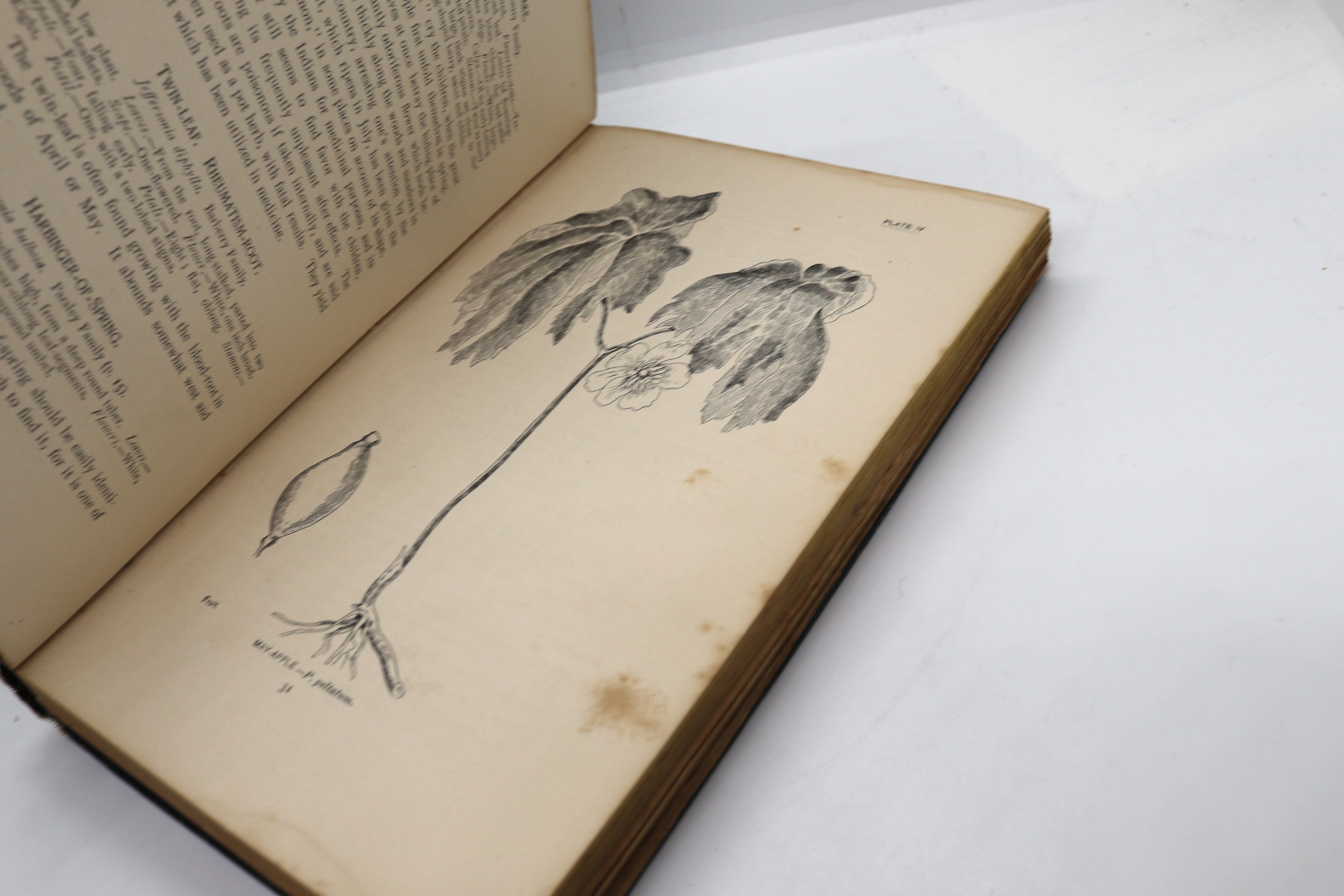
How to Know the Wild Flowers — Dana, Scribner 1893
$97.00
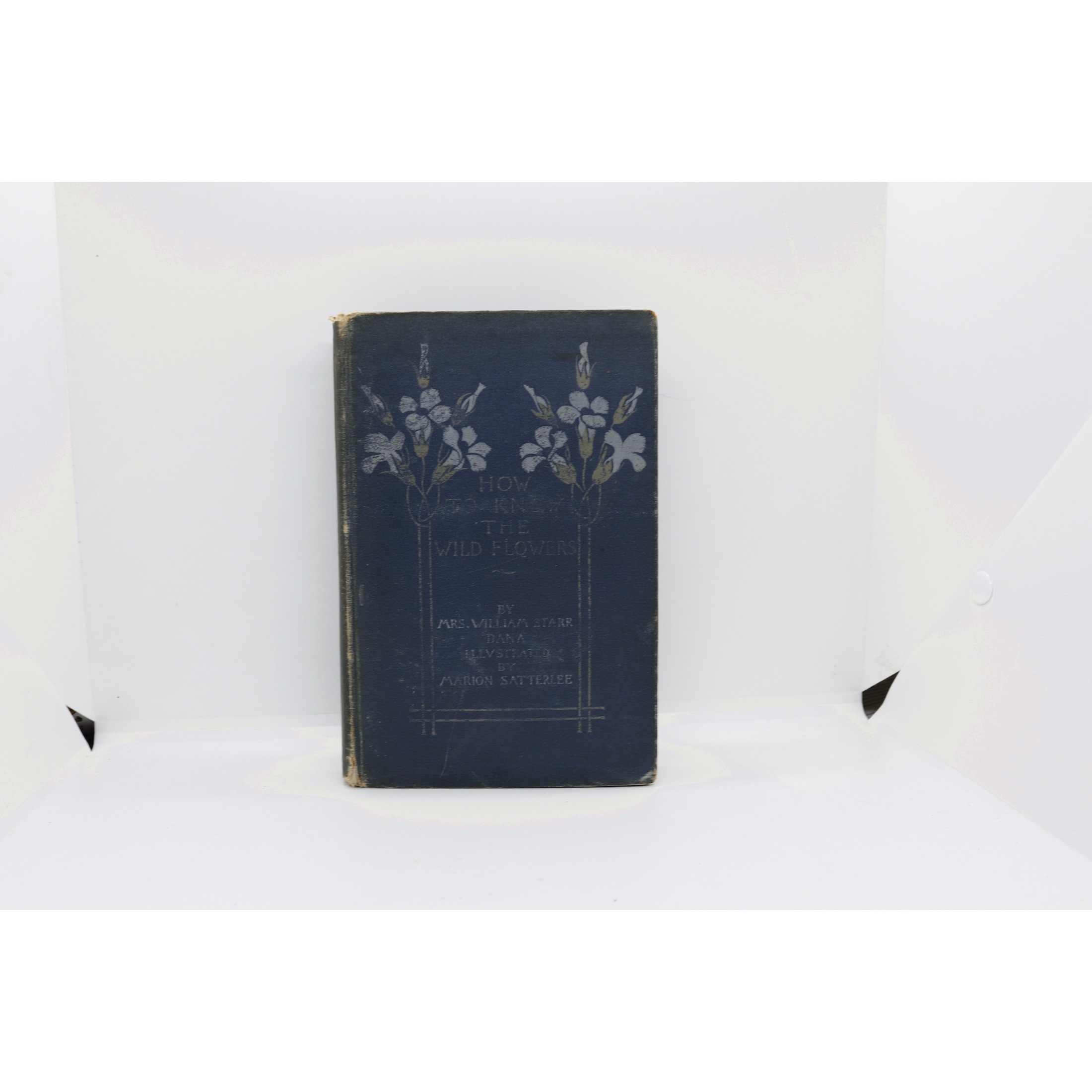
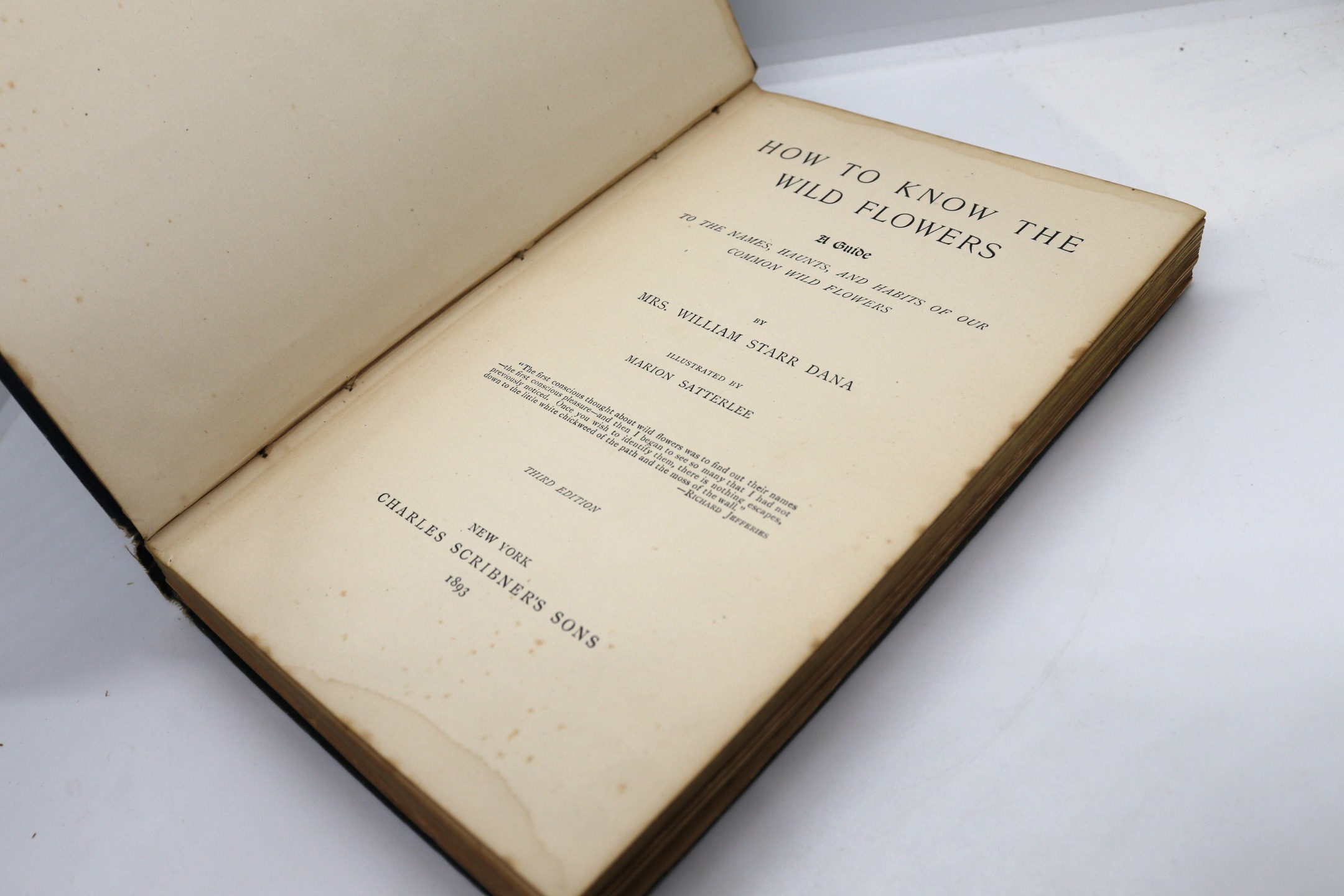
📖 How to Know the Wild Flowers by Mrs. William Starr Dana (Frances Theodora Parsons) (1893, Charles Scribner’s Sons) — the first field guide to North American wildflowers, revolutionary for organizing species by blossom color rather than scientific taxonomy. This Third Edition copy bears a gift inscription dated July 1893, the year of publication.
QUICK FACTS
- Author: Mrs. William Starr Dana (Frances Theodora Parsons, 1861–1952)
- Illustrator: Marion Satterlee (1868–1965), American botanical artist
- Publisher: Charles Scribner’s Sons, New York
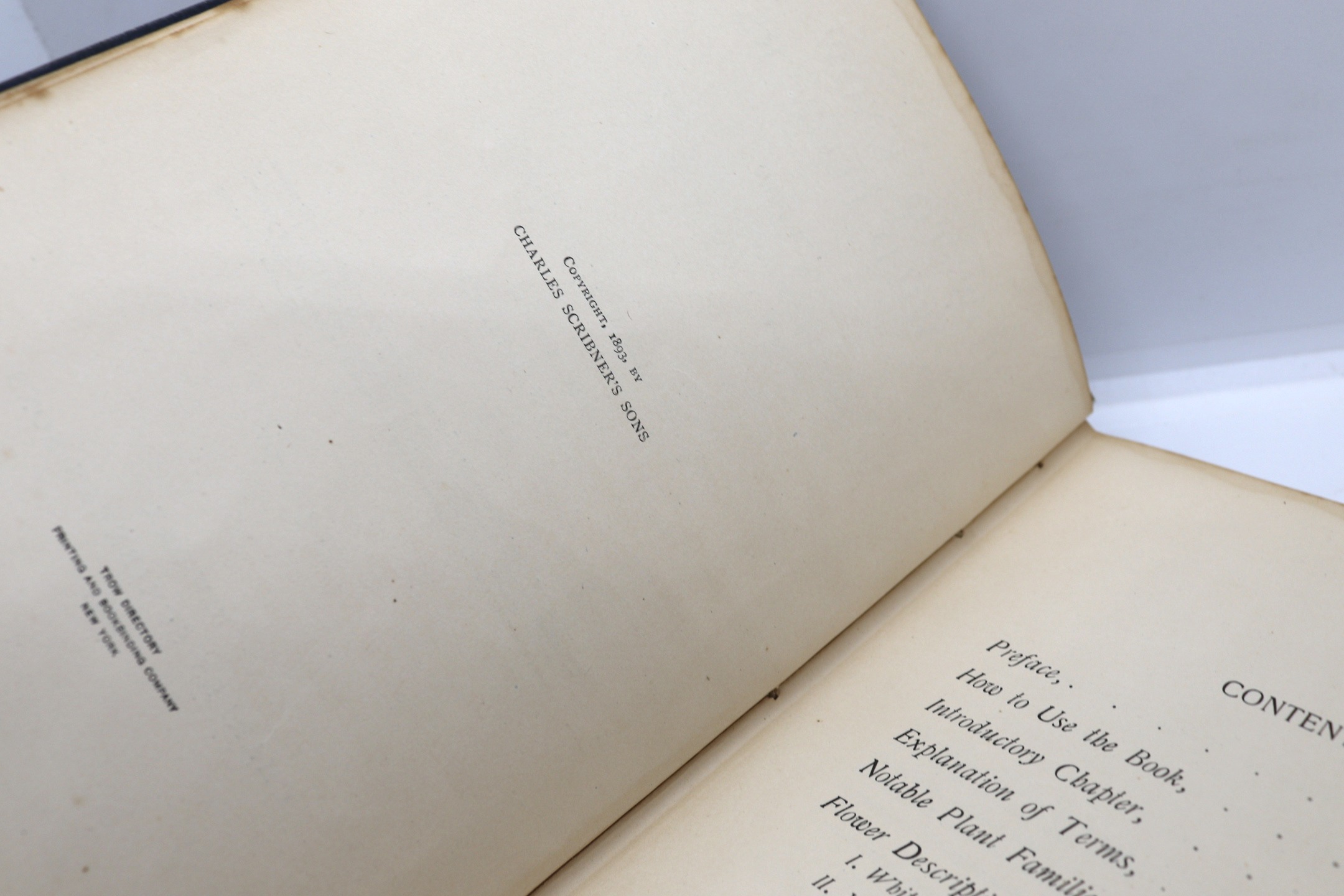
- Year: 1893 (Third Edition; copyright 1893 by Charles Scribner’s Sons)
- Printer: Trow Directory Printing and Bookbinding Company, New York
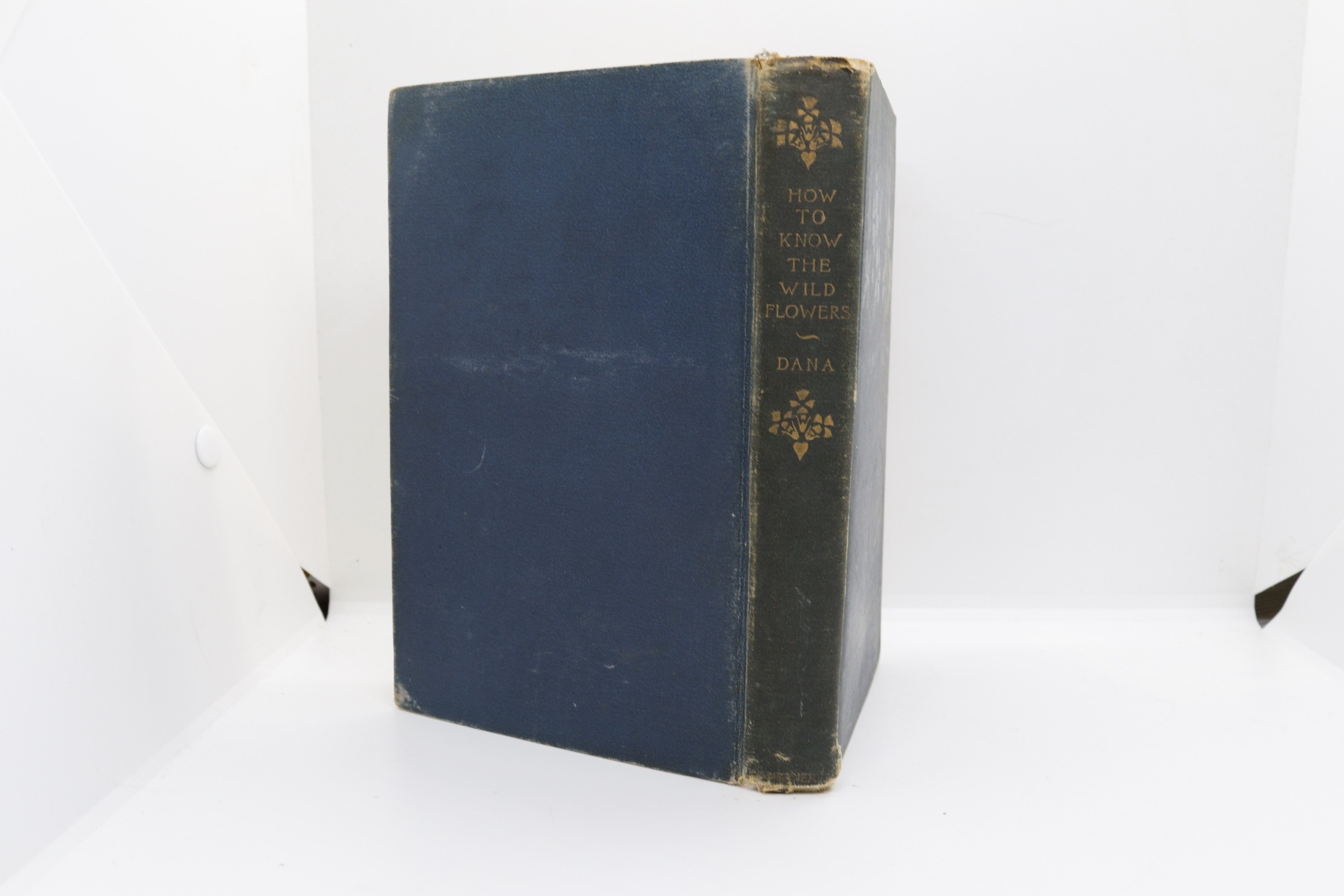
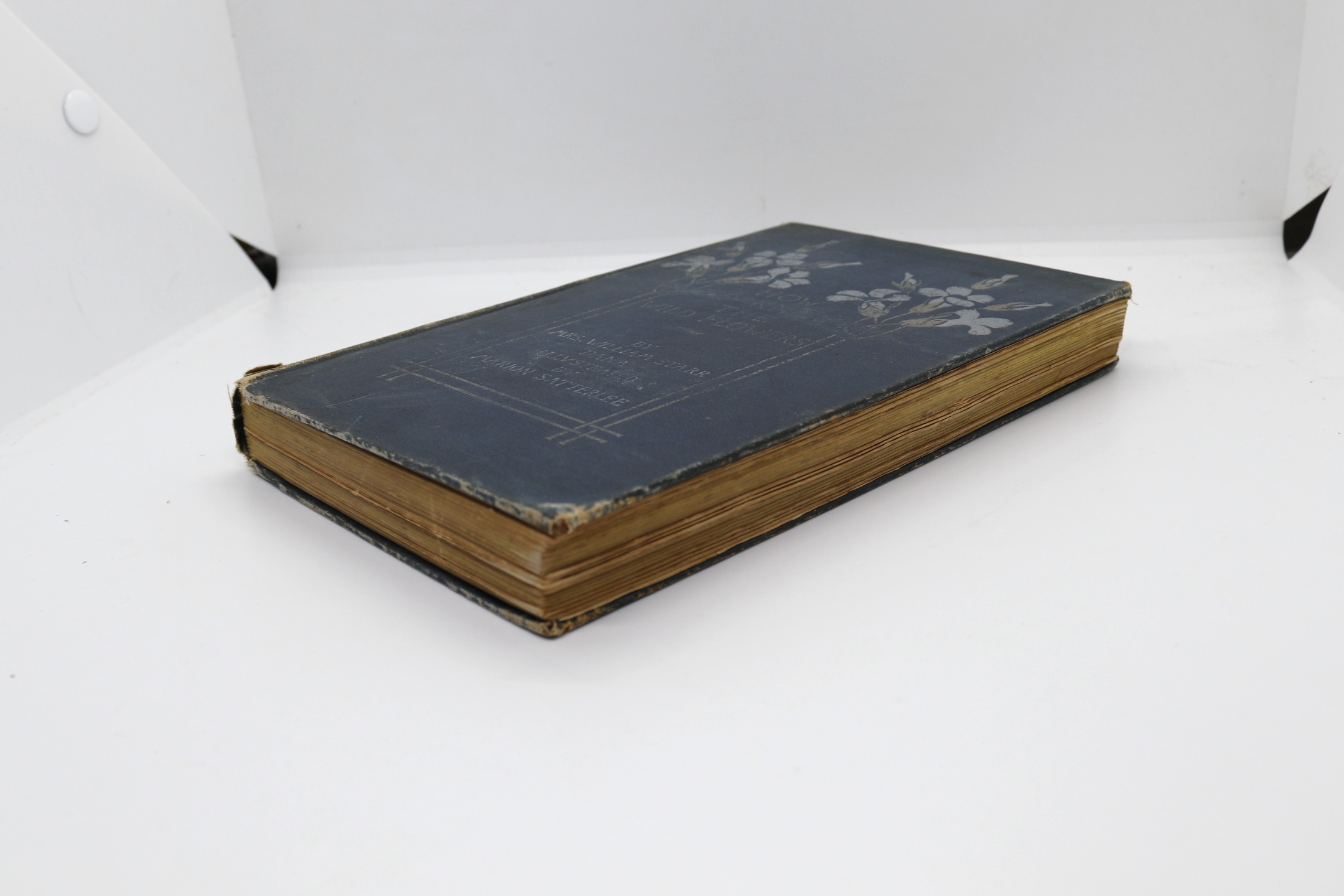
- Format: Hardcover, dark blue cloth with silver floral stamping, gilt spine, gilded page edges
- Pages: xvii + 373 | ISBN: None (pre-ISBN era)
- Condition: Good+ (G+) — full report below
THE STORY
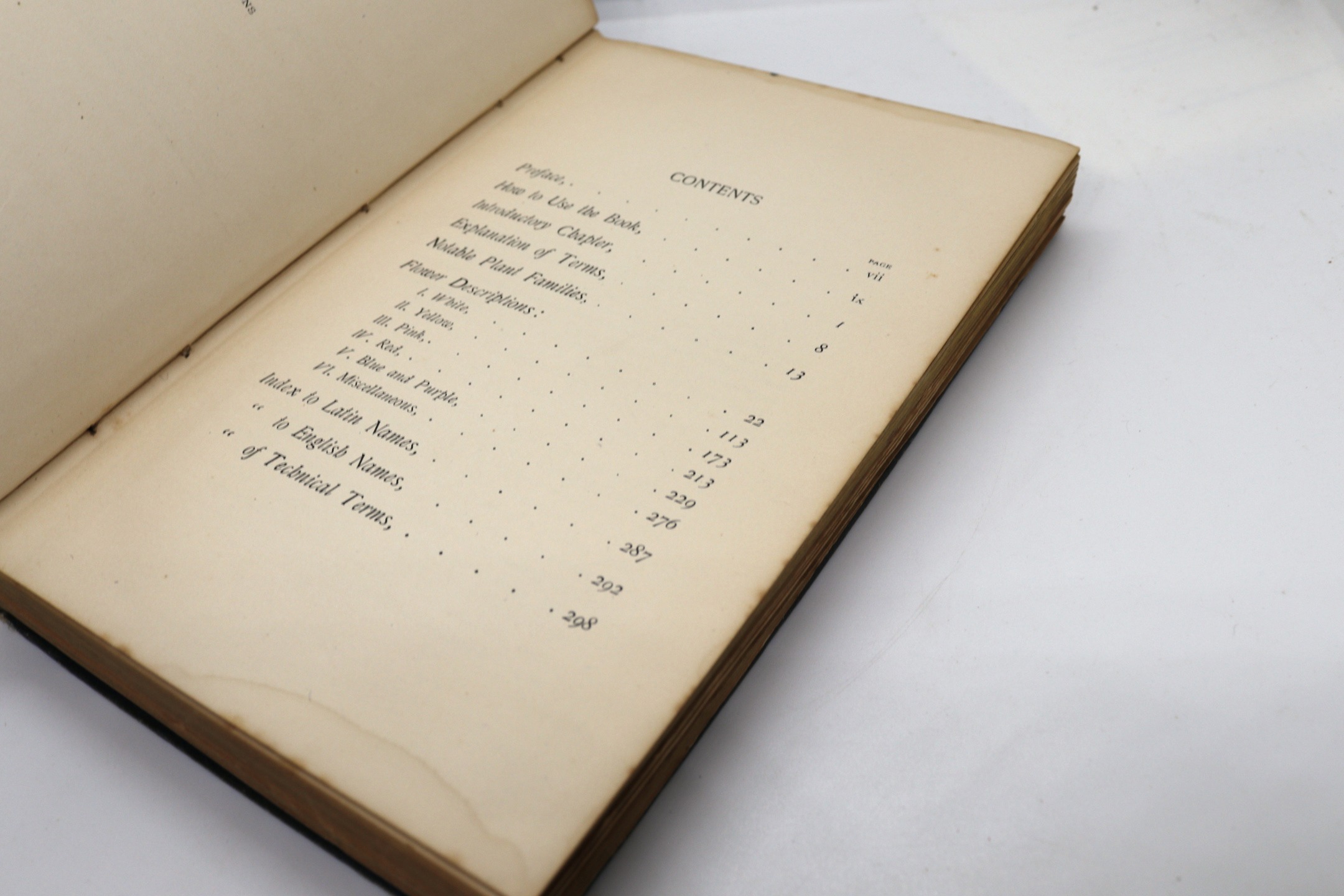
Frances Theodora Parsons (writing under her married name Mrs. William Starr Dana) transformed amateur botany in 1893 with this landmark guide. Rather than requiring readers to navigate the Linnaean system, she organized species by blossom color — white, yellow, pink, red, blue/purple, and miscellaneous — making identification accessible to anyone walking a country road. The book drew directly from her nature walks around the Hudson Valley and became an immediate success, going through numerous editions and inspiring a generation of nature writers.
THIS EDITION
This Third Edition from 1893, printed by the Trow Directory Printing and Bookbinding Company in New York, includes the complete text and all original Satterlee plates. The preliminary matter spans seventeen pages (preface, “How to Use the Book,” introductory chapter, explanation of terms, and notable plant families) before the flower descriptions begin on page 22. A Richard Jefferies quotation on the title page — “The first conscious thought about wild flowers was to find out their names” — captures the book’s democratic spirit.
COVER ART & ILLUSTRATIONS
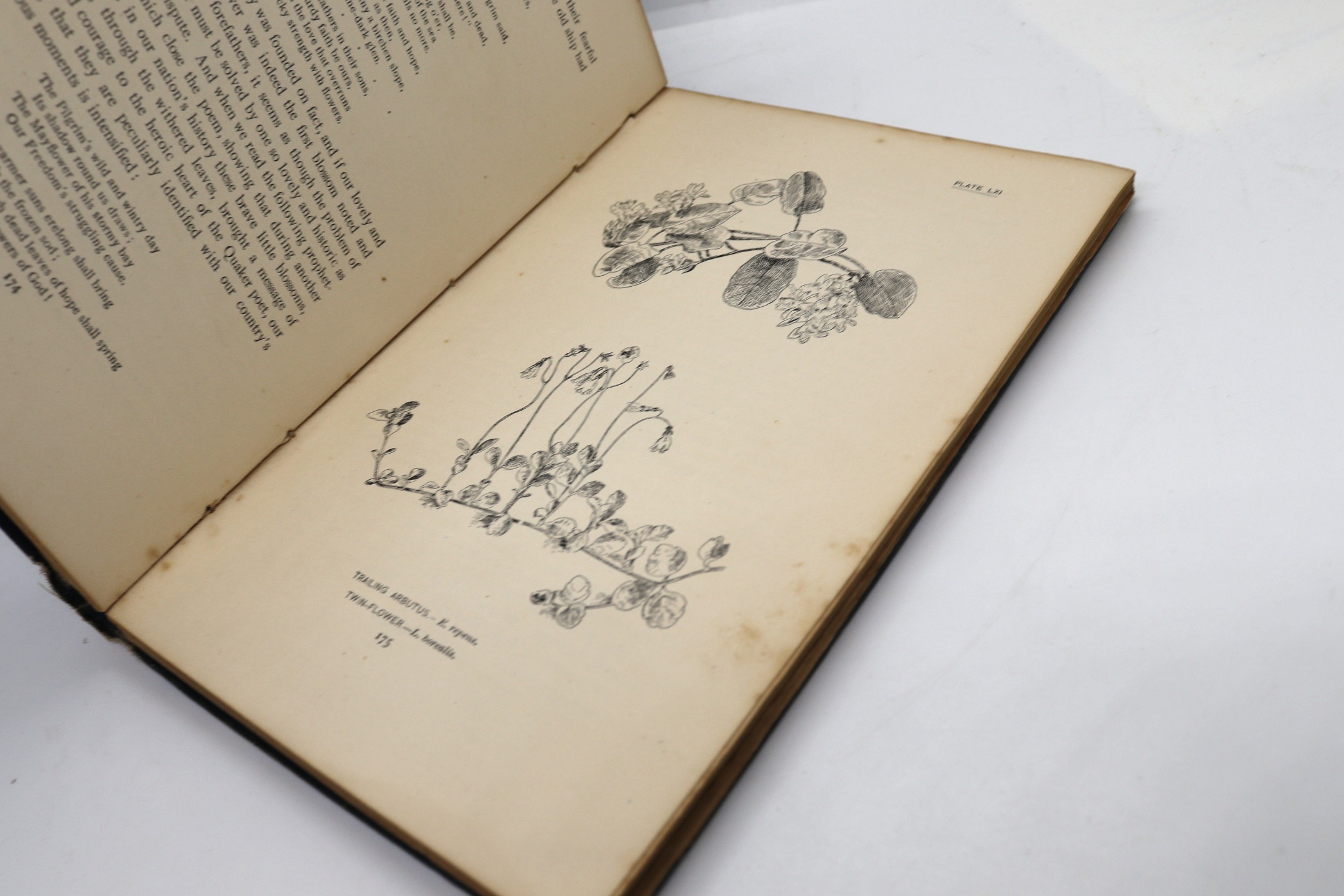
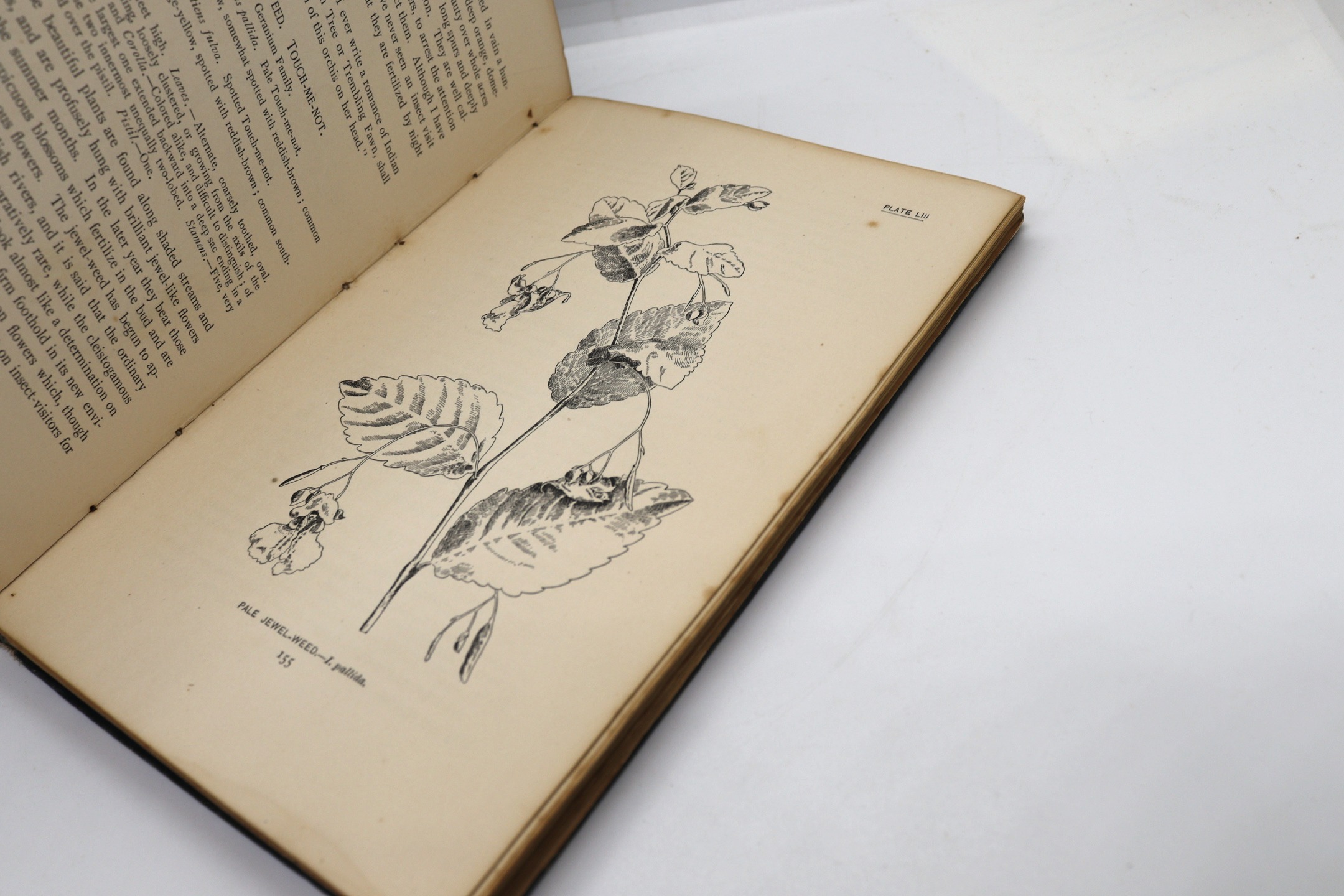
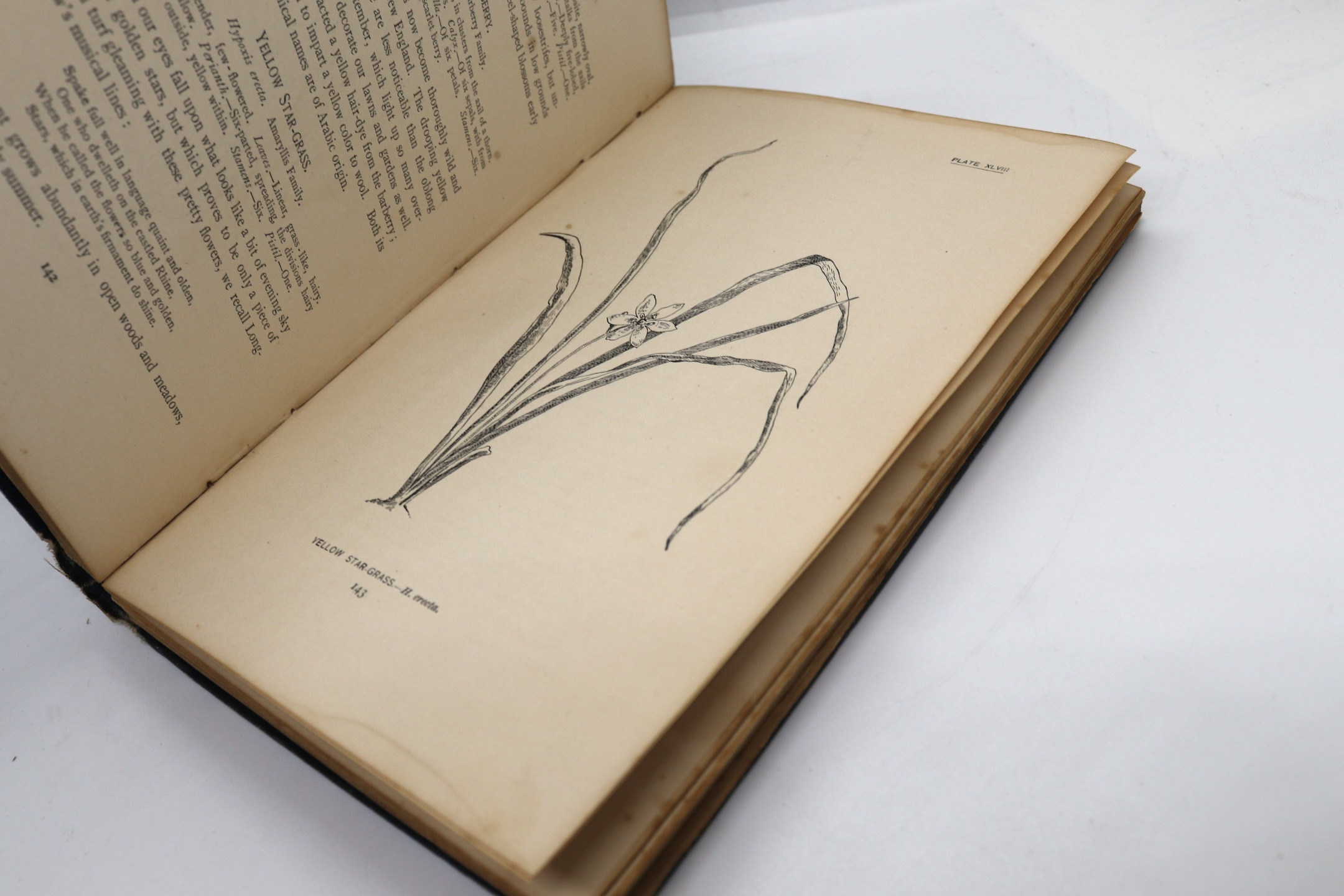
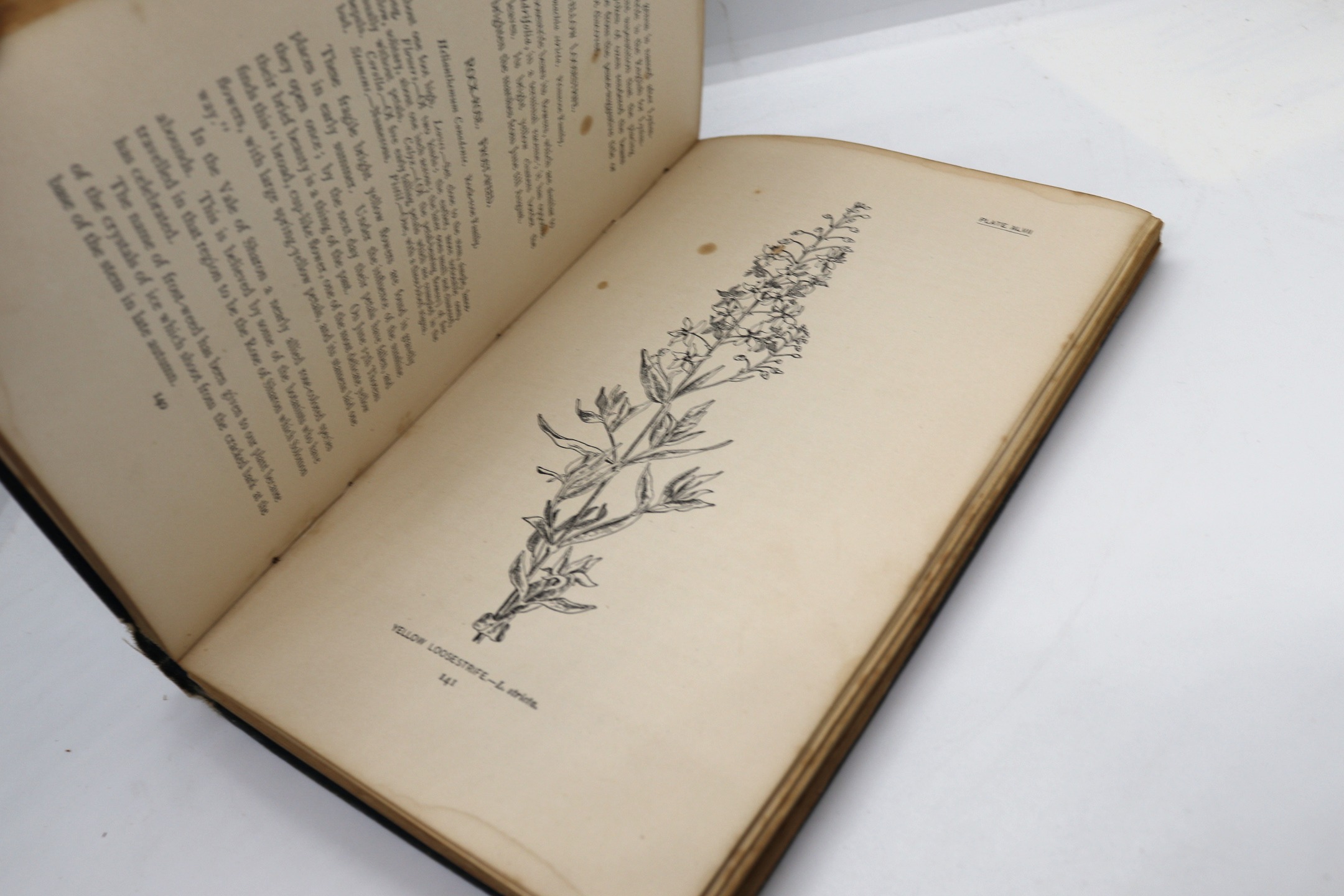
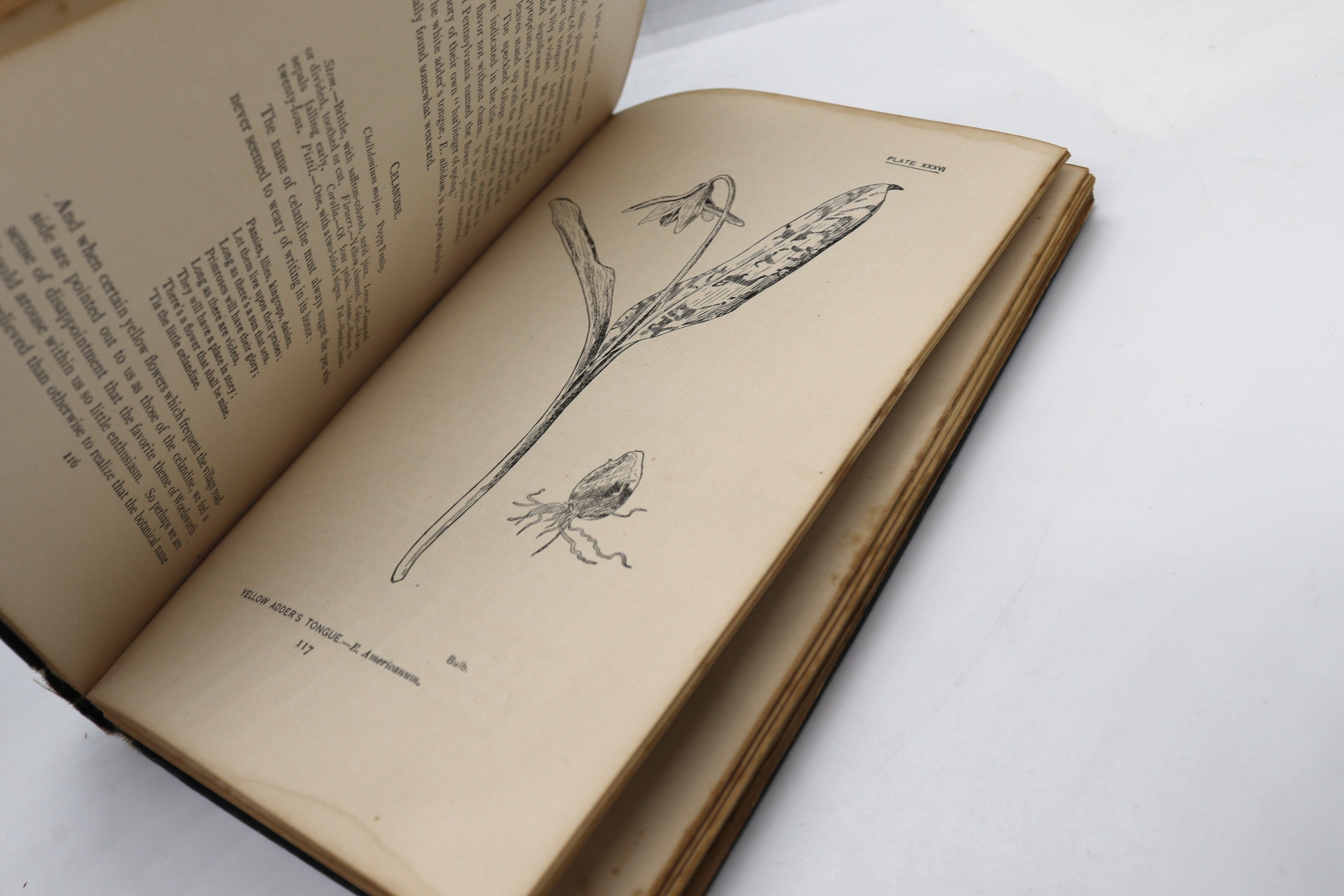
The binding features dark blue cloth with silver-stamped floral arrangements in the upper corners and a decorative border framing the title and author on the front board. The spine is dark green cloth with gilt lettering and ornate floral decorative elements at head and tail. Gilded page edges are visible along the text block. Inside, Marion Satterlee’s detailed pen-and-ink botanical plates illustrate species throughout — Trailing Arbutus, May-Apple, Yellow Star-Grass, Yellow Loosestrife, Yellow Adder’s Tongue, Pale Jewel-Weed, and Twin-Flower are among the plates visible in this copy. Satterlee’s style combines scientific precision with elegant linework, making her illustrations as decorative as they are informative.
WHY IT MATTERS
- Considered the first field guide to North American wildflowers — a publishing milestone in American natural history
- Marion Satterlee (1868–1965) was a noted American botanical artist; her collaboration with Parsons is featured in Tulane University’s botanical illustration exhibits
- Parsons later published According to the Season (1894) and Ferns and Fern Allies (1905), and eventually reclaimed her own name, writing as Frances Theodora Parsons
- Organizing by flower color was a radical innovation — it democratized plant identification for non-scientists and influenced subsequent field guides for decades
FREQUENTLY ASKED
What edition is this? Third Edition, published 1893 by Charles Scribner’s Sons. Copyright 1893 by Charles Scribner’s Sons.
What condition is it in? Good+ (G+) — age-toned with foxing throughout, spine worn at head and tail, back hinge started. Full condition report below.
Is this the first edition? No, this is the Third Edition from 1893. The first edition was also published in 1893 by Scribner’s; multiple printings and editions followed rapidly due to the book’s popularity.
FOR COLLECTORS
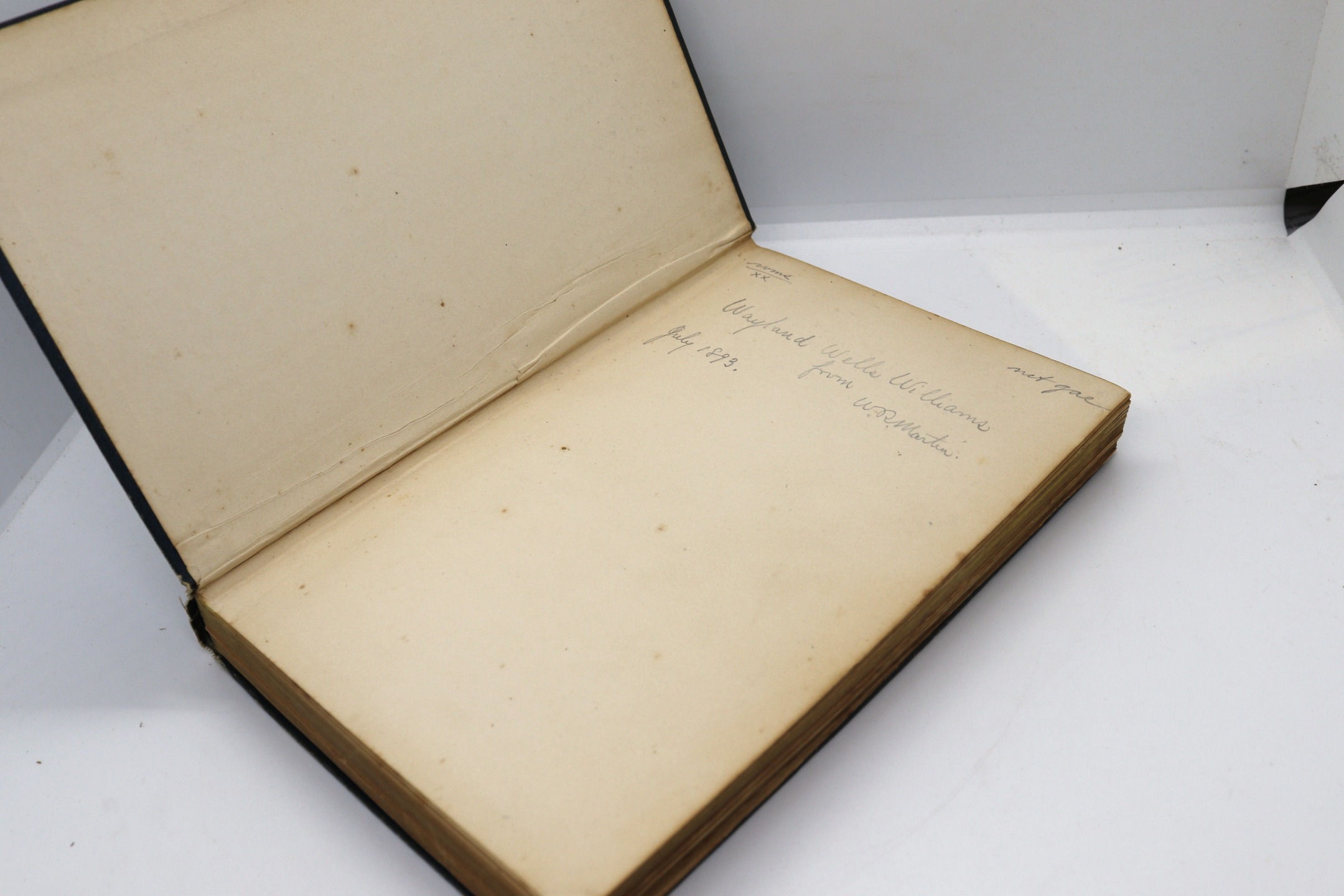
This copy is notable for its July 1893 gift inscription — “Wayland Wells Williams / July 1893 / from U.R. Martin” — placing it in the year of publication. The Satterlee plates alone make this a desirable copy; her botanical illustrations are collected independently and appear in museum exhibits. A bookseller label at the rear pastedown (“Belknap & Warfield, Booksellers, Hartford, Conn.”) adds provenance from a Connecticut antiquarian bookseller.
Condition Report
Overall Grade: Good+ (G+)
Cover & Spine: Dark blue cloth boards with silver floral stamping to front board and gilt spine lettering. Cloth wraps are worn through at spine head and tail and at board corners.
Text Block & Pages: Lightly age-toned text block with foxing spots sprinkled throughout the length of the volume. Text appears complete along with all plates. Includes early pencil gift inscription on front flyleaf dated July 1893.
Binding: Front hinge is solid, not started, back hinge is started at lower portion with a portion of the lower pastedown having pulled. There is a bookseller label at rear pastedown lower spine corner “Belknap & Warfield (?), Booksellers. Hartford, Conn.” Some soiling and scuffs on rear pastedown and free endpaper.
See accompanying images for full condition details. Will ship promptly, carefully packaged.
HFB-SEO-v1: 2026-07-28
1 in stock
Related products
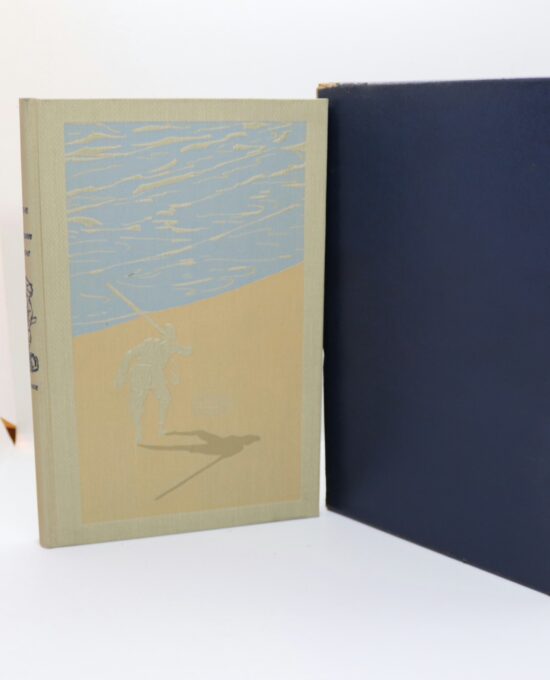
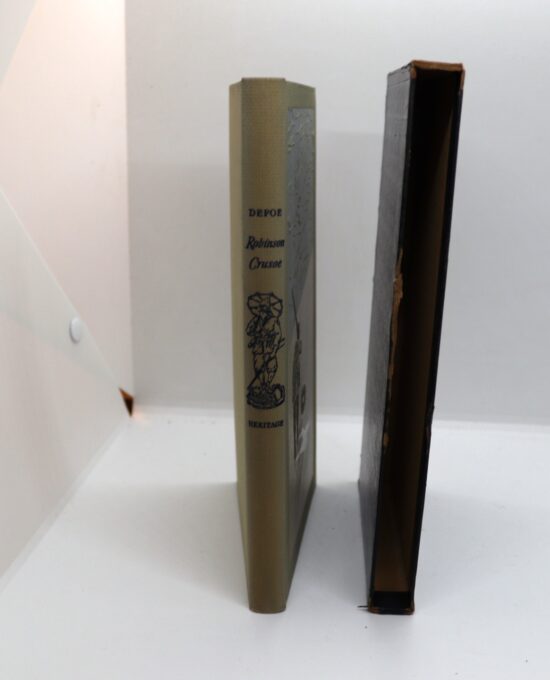
Robinson Crusoe Daniel Defoe Heritage Press 1930
Robinson Crusoe by Daniel Defoe — Heritage Press edition with color illustrations by Edward A. Wilson. Includes Sandglass insert, pop-up map, slipcase.
Robinson Crusoe Daniel Defoe Heritage Press 1930
Robinson Crusoe by Daniel Defoe — Heritage Press edition with color illustrations by Edward A. Wilson. Includes Sandglass insert, pop-up map, slipcase.
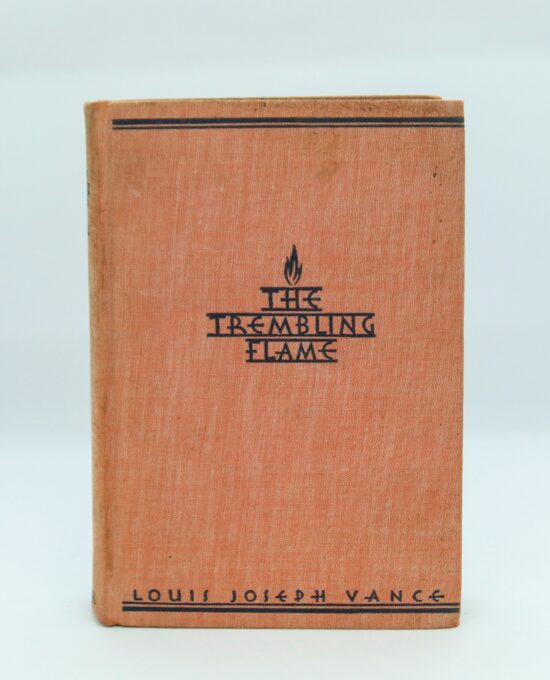
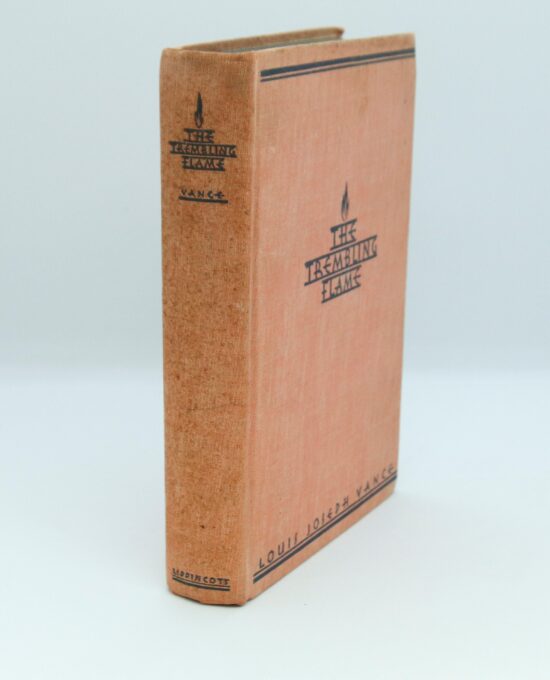
Louis Joseph Vance 1st ed. “The Trembling Flame” 1931 hardcover
Louis Joseph Vance 1st ed. “The Trembling Flame” 1931 hardcover
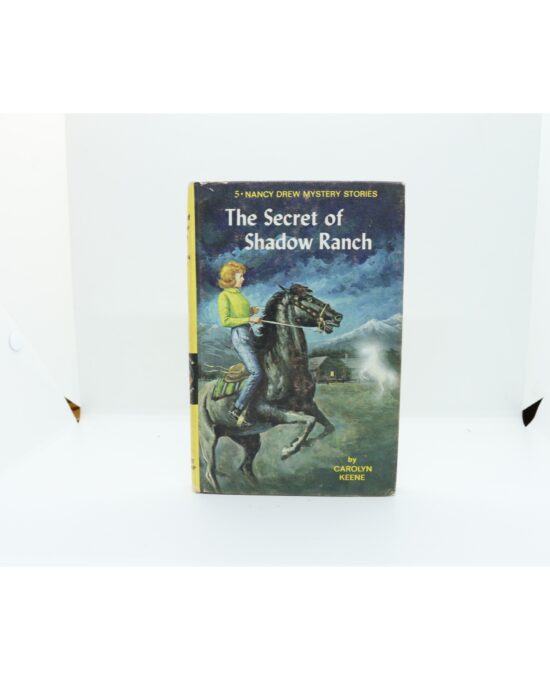
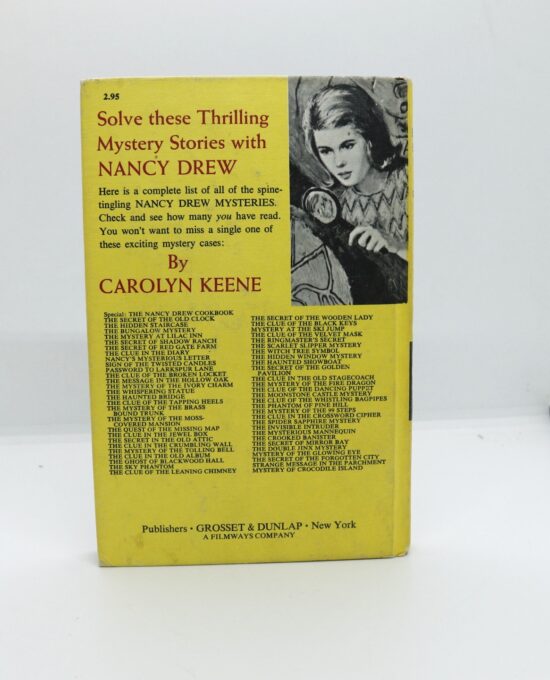
Carolyn Keene “The Secret of Shadow Ranch” Vintage Hardcover 1978A-97
Carolyn Keene “The Secret of Shadow Ranch” Vintage Hardcover 1978A-97
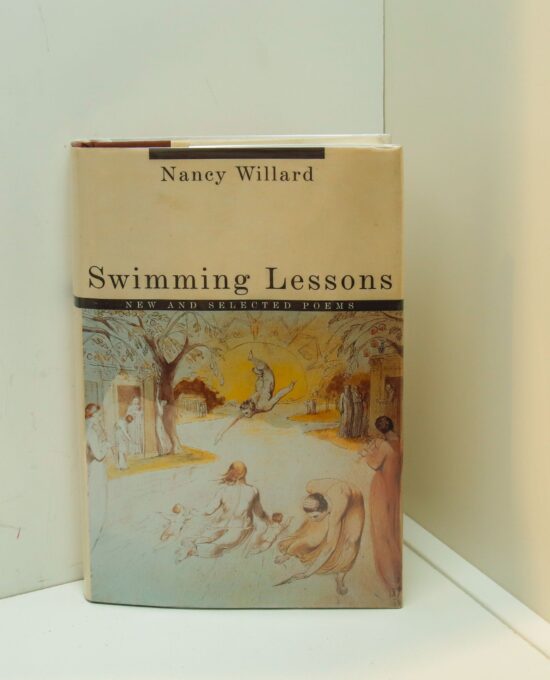

Signed First Edition: “Swimming Lessons” Nancy Willard Poetry hardcover
Reviews
There are no reviews yet.